


 Loading...
Sermon August 28, 2016
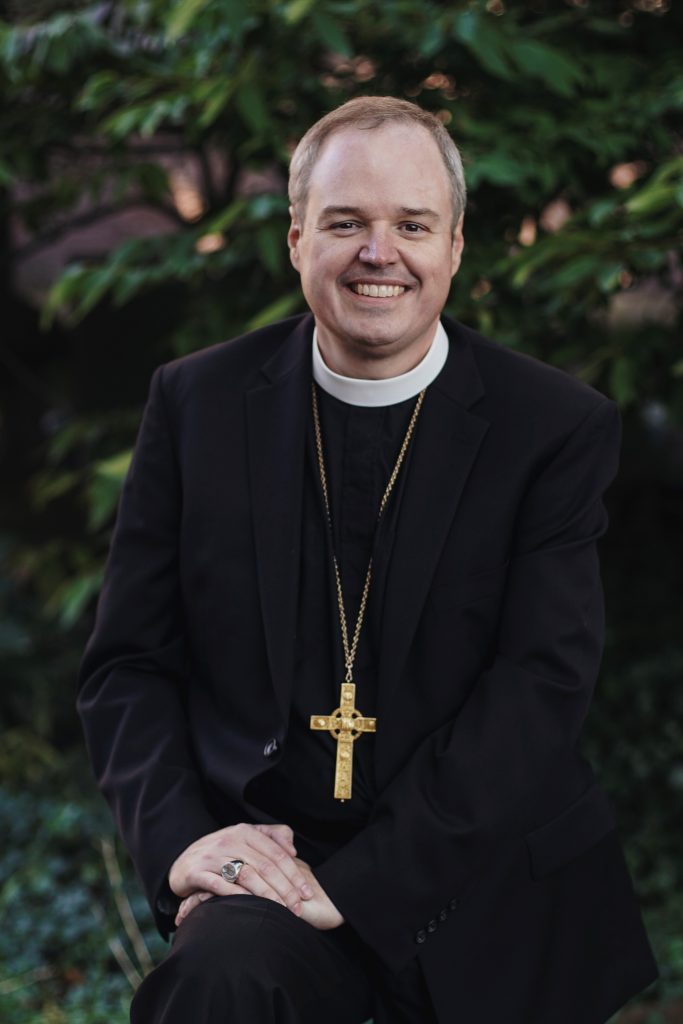
The Rev. Rebecca S. Myers, LSW
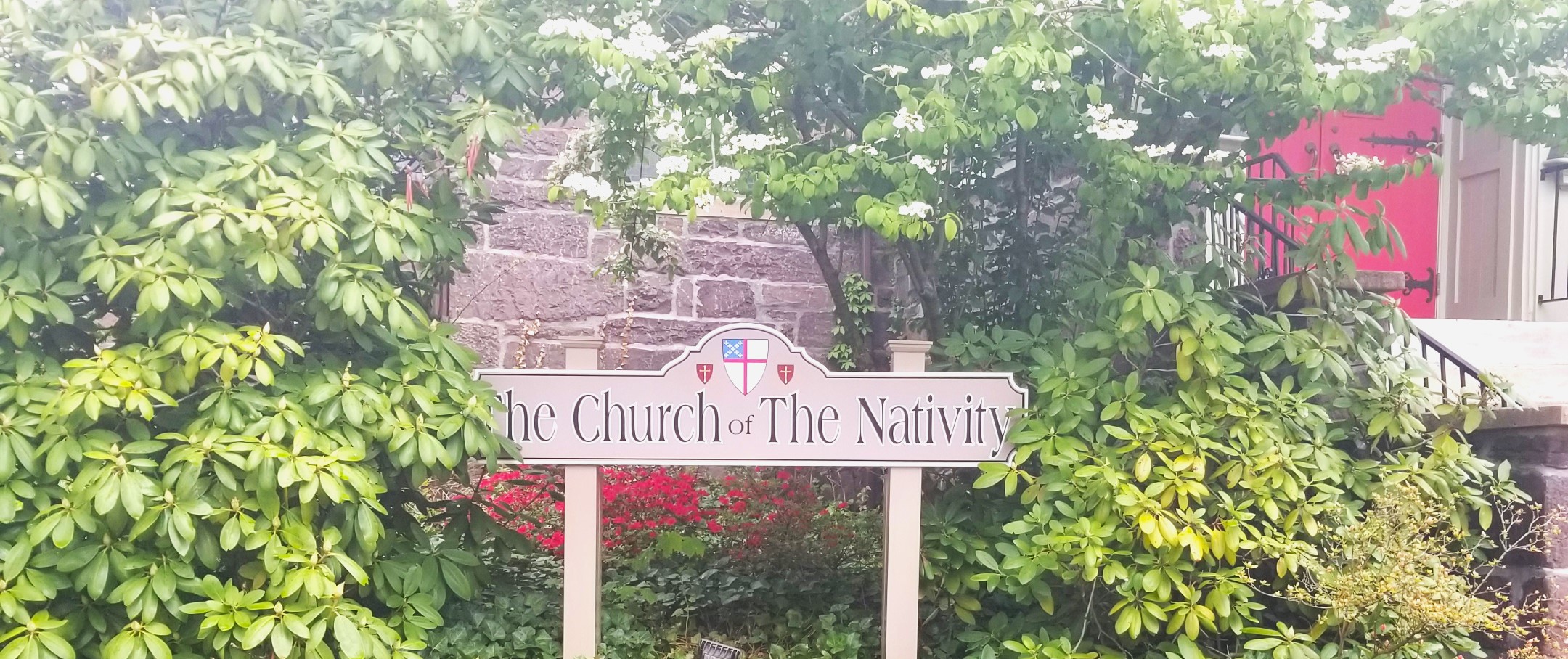
The Church of the Nativity and St. Stephen, Newport, PA
Fifteenth Sunday after Pentecost Track 2 Proper 17
Let mutual love continue. Hebrews 13:1
Please be seated.
This date, August 28, is pretty special to me. I was too young to remember the March on Washington for Jobs and Freedom that occurred on this date in 1963, one of the largest marches and rallies for human rights in our country. However, I have long admired The Rev. Dr. Martin Luther King, Jr. So in 1993, I attended the event commemorating the 30th anniversary of the march. Unfortunately, my only memory of that is how hot it was and I wondered how the marchers in 1963 survived the warm August DC weather.
Then eight years ago, I was fortunate to be present at another history-making occasion. You see, on this date then-Senator Barack Obama accepted the nomination to be the President of the United States. Now, I know there are varying opinions amongst us about President Obama; however, whatever your views of him, this was truly an historic moment for our whole country.
Again it was a hot day and the event was held in the Denver Broncos stadium. Attendance meant standing in a security line early in the afternoon and then sitting outside in the heat until the sun set and the evening’s program began.
Have you ever been somewhere where you knew you were participating in and witnessing a pivotal point in time? A time when things changed and that you knew would be talked about and known for generations to come? That night in that stadium in Denver was one of those times for me.
So as I considered our readings for this week, the significance of August 28 was with me. I began to look over the writings and speeches of Dr. King. Then-Senator Obama mentioned August 28, 1963, at the end of his acceptance speech with these words:
The men and women who gathered there could've heard many things. They could've heard words of anger and discord. They could've been told to succumb to the fear and frustrations of so many dreams deferred.
But what the people heard instead -- people of every creed and color, from every walk of life -- is that, in America, our destiny is inextricably linked, that together our dreams can be one.
"We cannot walk alone," the preacher cried. "And as we walk, we must make the pledge that we shall always march ahead. We cannot turn back."
In his “I Have a Dream” speech, the Rev. Dr. Martin Luther King, Jr. was once again drawing the nation to a vision of God’s Kingdom here on earth. He was echoing his many sermons, speeches and writings, his work during his relatively short lifetime. At the heart of them is the underpinning of love.
During his lifetime, there were plenty of experiences that would have driven most of us towards hatred. His home was bombed with his wife and ten-week old daughter in the house. Dr. King had been at a meeting regarding the Montgomery Bus Boycott, which was ongoing at that time. Upon learning about the bombing, he rushed home. Angry crowds of supporters had gathered in front of his home. They were carrying weapons. A horde of reporters and police had also gathered to report on the story and investigate the bombing. By the way, no one has ever been caught or charged with this bombing.
Dr. King, then just 27 years old, first made sure that his wife and daughter were not harmed. Then he calmed the crowds with these words:
Don’t get panicky. Don’t do anything panicky. Don’t get your weapons. If you have weapons, take them home. He who lives by the sword will perish by the sword. Remember that is what Jesus said. We are not advocating violence. We want to love our enemies. I want you to love our enemies. Be good to them. This is what we must live by. We must meet hate with love.
“We want to love our enemies. I want you to love our enemies. Be good to them. This is what we must live by. We must meet hate with love.”
I like to think of myself as a pacifist, although I’ve often said that if anyone attacked my family, especially my children and grandchildren, I would probably resort to violence as a matter of protection. I’m not sure I could do what Martin Luther King, Jr. did on that night.
No matter the hardships that befell him in his work for justice, Martin Luther King, Jr. clung to his faith and continued to preach love and nonviolence.
Dr. King was jailed 30 times in his life. During one period of jail time in July of 1962, where he was jailed for holding a prayer vigil in Albany, Georgia, he revised one of his favorite sermons. Can you guess what the sermon was about? It was titled, “Loving Your Enemies.”
The text of the sermon was Matthew 5:43-45 where Jesus says to love your enemies. Dr. King acknowledged the difficulty of living into Jesus’ teaching, but stated that, “Our responsibility as Christians is to discover the meaning of this command and seek passionately to live it out in our daily lives.”
“Our responsibility as Christians is to discover the meaning of this command and seek passionately to live it out in our daily lives.”
Dr. King then goes on to talk about the practicalities of loving our enemy and about the “why” of loving our enemy. One reason he gives is that “love is the only force capable of transforming an enemy into a friend.” Hatred destroys, whereas love transforms.
Towards the end of the sermon, Dr. King encourages his followers, especially those who were African-American, with these words:
To our most bitter opponents we say:
“We shall match your capacity to inflict suffering by our capacity to endure suffering.
We shall meet your physical force with soul force.
Do to us what you will, and we shall continue to love you.
We cannot in all good conscience obey your unjust laws, because noncooperation with evil is as much a moral obligation as is cooperation with good.
Throw us in jail, and we shall still love you.
Send your hooded perpetrators of violence into our community at the midnight hour and beat us and leave us half dead, and we shall still love you.
But be ye assured that we will wear you down by our capacity to suffer.
One day we shall win freedom, but not only for ourselves.
We shall so appeal to your heart and conscience that we shall win you in the process, and our victory will be a double victory.”
“We shall continue to love you,” he said. “We shall continue to love you” and together we will be transformed.
Regardless of what someone does to us, we are nevertheless called to stand with Jesus in loving one another, even if we’d rather call that person an enemy. We are called to stand with Jesus and love one another and praying for all, even those who do the most horrible things against us. We as a community are called to stand and live in love, no matter what. This is a hard teaching and a challenging commandment.
Yet our very souls depend upon our wrestling with it and living into it. “Let mutual love continue.”
Amen
- Barack Obama 2008 Acceptance Speech: //www.nytimes.com/2008/08/28/us/politics/28text-obama.html?_r=0
- Martin Luther King Jr., words at the bombing of his home: //reasonabledoubt.org/criminallawblog/entry/january-30-1956-martin-luther-king-jrs-home-bombed-in-montgomery-alabama-today-in-crime-history
- Timeline of the King years: //www.thekinglegacy.org/content/king-years
- “Loving your Enemies” sermon //www.faithstreet.com/onfaith/2015/01/19/martin-luther-king-jr-on-loving-your-enemies/35907