

 Loading...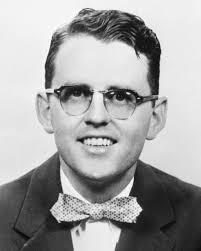
Sermon October 20, 2019
The Rev. Rebecca S. Myers,
The Church of the Nativity and St. Stephen’s
Nineteenth Sunday After Pentecost Track 1, Proper 24
http://lectionarypage.net/YearC_RCL/Pentecost/CProp24_RCL.html
No longer shall they teach one another, or say to each other, ‘Know the Lord’, for they shall all know me, from the least of them to the greatest, says the Lord; for I will forgive their iniquity, and remember their sin no more. Jeremiah 31:34
Please be seated.
Last week, Rev. Gayle Fisher-Stewart recommended listening to a six-episode podcast called White Lies (https://apps.npr.org/white-lies/). Rev. Fisher-Stewart organized the Ambassadors of Healing pilgrimage to Alabama that I participated in last May. The podcast was done by NPR and aired last May and June. However, I just heard it was also airing on WITF now.
White Lies is about the murder of the Unitarian minister James Reeb in Selma on March 11, 1965. You may remember that people in Selma and the surrounding area mobilized for change and decided they needed to take their case to then-governor George Wallace in Montgomery. They decided to walk from Selma to Montgomery. One of the things they wanted was the right to vote.
On Sunday, March 7, people began their march. As they walked across the Alabama River on the Edmund Pettis bridge, they were met by Sheriff Jim Clark and his posse, who ordered them to turn back; they would not be allowed to go any further. Then the sheriff and the others with him, started throwing tear gas into the crowd. They moved into the crowd of marchers and started beating them with their clubs and even riding horses into the crowd and trampling on people.
The press was right there and images of the day, known as Bloody Sunday, were quickly developed and sent to the major news stations and shown around the world. As a result, The Rev. Dr. Martin Luther King, Jr., sent communications to the major religious denominations and asked for clergy to come to Selma to show their support. At least 500 clergy arrived in Selma by Tuesday, including James Reeb.
Tuesday evening Rev. Reeb went to dinner with two other clergy friends. While walking back to where they were staying, they were attacked by 4 men. Rev. Reeb was beaten severely with a club, and all of them were punched and kicked. Rev. Reeb eventually died.
Three of the four men who participated in the attacks and murder were charged with the crime. As the podcast documents, many of the White people in the town colluded to lie and to not tell the truth about the murder. There were too many lies to mention in our sermon time. One of the fabrications that many of the White people in Selma insisted on believing was that while the three men (really four men) beat Rev. Reeb, he did not die of that beating, but rather was intentionally killed by the other two pastors accompanying Rev. Reeb in the ambulance, because the Civil Rights Movement needed a martyr.
Because of these lies, the jury found the three men not guilty. Yet, fifty years later, two reporters return and return to Selma and eventually discover the whole truth.
Now you may think, well that was then or what does this have to do with today. Yet, it got me wondering about lies and the truth. It got me wondering about what it means that these men murdered someone and beat two others and yet never were punished for their crime…never spent a night in jail. It got me to wondering about how lives would have been lived differently if the men had been convicted. It got me wondering about what living in these lies did to Selma and even to our nation. What is the legacy of these lies not only for the individuals involved, but also for the city, and for our country?
Interestingly, the last episode includes interviews with Rev. Reeb’s family and the families of the men who murdered him. The entire series asks questions about why after 50 years, people were willing to stop living in the lies and tell the truth.
Our ancient ten commandments say we should not bear false witness. We should not lie, especially under oath and when someone has been harmed. Bearing false witness is testimony of our relationship with God…of our dishonoring of God. Yet, that’s what happened over and over again in this trial. People bore false witness and murderers were never held accountable.
As I pondered these questions and responses, I began to think about whether we, too, are like those citizens of Selma. Do we tell lies as a community? Do we make up stories as a community that absolve us of responsibility and accountability? Do we tell ourselves lies about the growing inequality between people in our country and around the world? Do we tell ourselves lies about what’s happening with our climate and our environment? Do we tell ourselves lies about systemic racism and White supremacy?
No doubt about it, facing the truth is challenging. Even finding the truth can be challenging, because the lies get woven into the fabric of our lives.
In our reading today from Jeremiah, we are given hope, though, just like the Israelites of old. Jeremiah was a truth teller. All kinds of things happened to him, including being thrown into a cistern to die because people hated the truths he told.
Eventually in Jeremiah’s time, the Temple in Jerusalem was destroyed and many of the Israelites are forced into exile. Jeremiah had prophesied much of this would happen because the Israelites had been unfaithful to God and the teachings. They were punished for their actions. Hear the words of Jeremiah to the King in Chapter 22, verse 17:
But your eyes and heart
are only on your dishonest gain,
for shedding innocent blood,
and for practicing oppression and violence.
Harsh words and the consequences were harsh.
Yet, hope is in the words of Jeremiah we hear today. Even with the lies and bad actions of God’s people, God does not forsake the people. Jeremiah lets the people know that after a time, their community will be restored.
God will make a new covenant or agreement with the people. The teachings of God will not even need to be taught, because they will be implanted and exemplified in the very being of every person.
And the most wonderful mercy: …I will forgive their iniquity, and remember their sin no more. Even when getting to the truth is painful and disorienting or something we’d rather not do, we are assured that God loves us. We are assured that God forgives us. We are assured that the work we do to live in the truth is what writes God into our hearts.
Amen