


 Loading...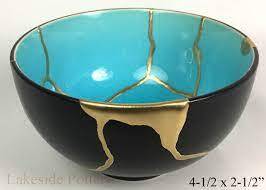
Sermon April 11, 2021
The Rev. Rebecca S. Myers,
The Church of the Nativity and St. Stephen’s
Second Sunday of Easter
http://lectionarypage.net/YearB_RCL/Easter/BEaster2_RCL.html
Audio: /documents/Eucharist__April_11__2021
Video: https://youtu.be/3TBlFtbWcHY
After he said this, he showed them his hands and his side. Then the disciples rejoiced when they saw the Lord. John 20:20
My favorite singers when I was a teenager were Paul Simon and Art Garfunkel. I had every one of their albums and I think have most of them on CD, also. Some of these albums came out before I was following them, but I bought them anyway. The church youth group I belonged to, performed a number of their songs. I was steeped in Simon and Garfunkel.
In 1969, just after I turned 13, a new album came out, Bridge Over Troubled Water. My best friend at the time and I played that album over and over again on our sleepovers. We even came up with dancing movements to some of the songs. We sang and sang along with all of the songs.
Earlier this week, my New Testament Professor from seminary, Deirdre Good, posted a link to a New York Times opinion piece by Peter Wehner titled, Why is Jesus Still Wounded After His Resurrection? Mr. Wehner asked a number of theologians why the resurrected body of Christ still has the scars on his hands and his feet? Wouldn’t most of us think that Christ would receive a new, totally healed body?
It all reminded me of that Simon and Garfunkel song, The Boxer, especially these lines at the end:
In the clearing stands a boxer
And a fighter by his trade
And he carries the reminders
Of every glove that laid him down
And cut him till he cried out
In his anger and his shame
"I am leaving, I am leaving"
But the fighter still remains, he's still remains.
As Mr. Wehner says in his piece, the visible scars of Jesus remind us that Christ came in a human body; that Christ suffered. The scars do not go away.
What about our scars? Are we like The Boxer in the Simon and Garfunkel song, trying to leave, to forget about the very forces that, though painful, have shaped us deeply..the very things that remain?
Don’t we often try to hide our scars and sufferings from each other? We put on a brave face and do our best to show the world that we are okay. Yet, Christ’s resurrected body with all of its scars teaches us a different way to look at our lives, because Christ does not hide his scars. Christ remembers what has happened to him. And the Disciples want to see those scars to know that it truly is him.
In a way, Christ is reminding us that remembering those things that have scarred us is important. I would say that in the remembering, we can incorporate those scars, challenges and sufferings into our life in a different and new way.
Bryan Stevenson of the Equal Justice Initiative feels strongly that we must remember the horrors of White people lynching People of Color if we are ever to develop a humane justice system. And this week I watched the first part of a 4-part series called, Exterminate All the Brutes, detailing some painful history about our nation and White supremacy; history I would rather forget and not acknowledge.
I also had an email conversation with Bishop Scanlan about the painful history of the Carlisle Indian Boarding School. I watched a presentation from people of the Arapahoe Nation who had the remains of their nation’s children who were buried in Carlisle, returned home to the Arapahoe land in Wyoming. I was reminded that the town of Jim Thorpe, PA will not return the remains of Jim Thorpe to his nation.
Often, I wonder about the scars we all carry from the historical traumas that happened on the lands we live upon. I wonder how those traumas have shaped us in ways we do not fully understand. We have often covered up the scars, because the truth feels so painful. Sometimes we get paralyzed by shame.
Yet, when we learn about and talk about the scars, wounds, and challenges that we and that other people have suffered through, we have the opportunity to glimpse how we can help change things. Each year, when we walk through Holy Week, we have the opportunity to find meaning in the suffering Jesus went through. Sometimes we see ourselves in the crowd and we learn ways we reject Christ. Sometimes we are comforted, because we know that Jesus knows our own sufferings.
Mr. Wehner speaks about a Japanese artform called kintsugi. Broken pottery pieces are put into a new shape with lacquer, dusted with gold. The new bowls created, are sometimes even more beautiful than the original piece. They are treasured.
Mr. Wehner says,
"I find the concept that fractures in our lives can be redeemed and leveraged for good deeply moving. All things, even broken things, can be made new again, and sometimes they can be made even more beautiful. And they need not be hidden, in shadows or in shame. None of this means that people, if they had a choice, would endure the blast furnace of pain and loss, of trauma and shattered lives. It means only that even out of ashes beauty can emerge."
Christ carried his wounds and scars in his resurrected body. They were a part of his life here on earth. They create profound meaning for we, his followers. May the sufferings of our personal lives and of our nation encourage us to create beauty from the ashes.
Amen
https://www.nytimes.com/2021/04/03/opinion/christ-resurrection-easter.html
Exterminate All the Brutes: https://www.hbo.com/exterminate-all-the-brutes
Home From School documentary and webinar: https://jhcenterforthearts.org/calendar/events/home-school-children-carlisle?fbclid=IwAR3xyShex0fTbNtBK5cJJT13oUz0WttuZQcnypS48OmzzClHFWt0RnPZqww