


 Loading...
Sermon July 31, 2016
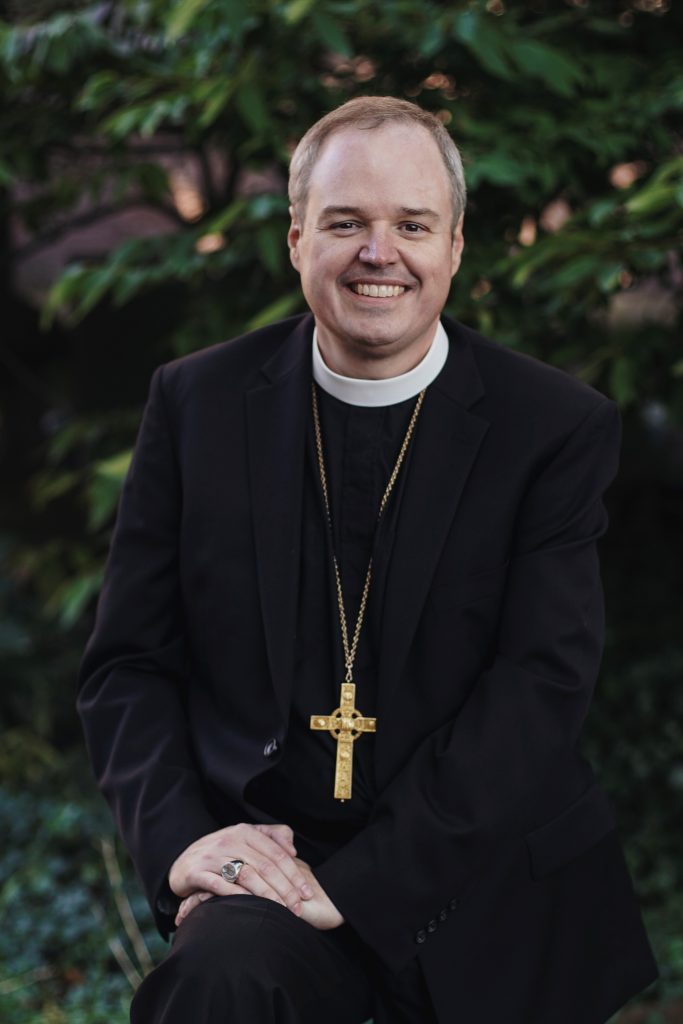
The Rev. Rebecca S. Myers, LSW
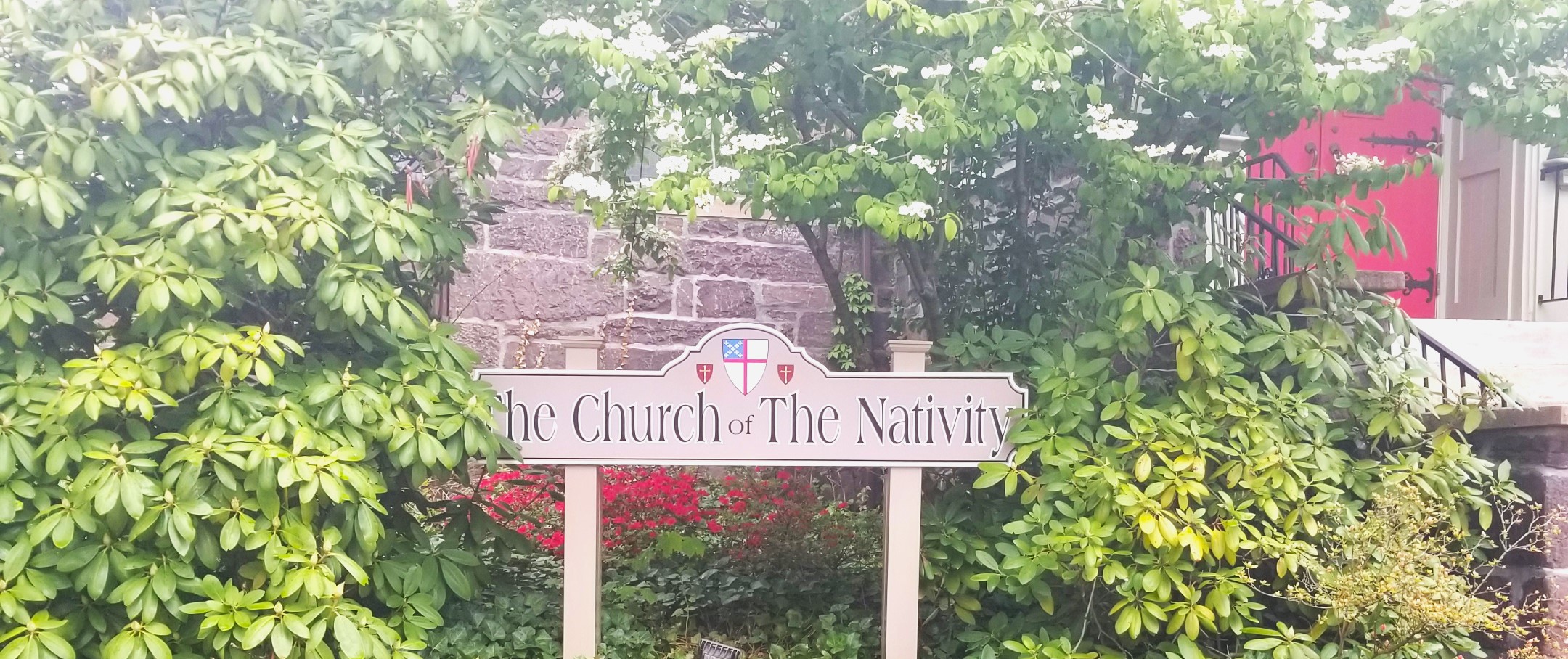
The Church of the Nativity and St. Stephen, Newport, PA
Eleventh Sunday after Pentecost Track 2 Proper 13
And he said to them, "Take care! Be on your guard against all kinds of greed; for one's life does not consist in the abundance of possessions." Luke 12:15
Please be seated.
This past Wednesday, I read a story in The New York Times that was a perfect illustration of today’s Gospel teaching. The story was about Ronnie Music, Jr., aged 45 from Waycross Georgia. In February of 2015, Mr. Music won $3 million in Georgia’s instant lottery. At the time, Mr. Music was a maintenance supervisor. He told the press that he and his wife planned to save a portion of the winnings.
However, on Tuesday of this past week, a federal prosecutor reported that Mr. Music had invested his earnings in a crystal methamphetamine business, buying not only the drugs, but also cars, guns, and ammunition. Needless to say, Mr. Music now faces decades in prison.
The article further reported that he could have made about $170,000 a year if he’d invested the winnings in a stock fund that tracked the Standard & Poor’s 500 stock market index. Clearly, $170,000 per year was not enough for Mr. Music.
Now, I imagine living in some places in this country like the big cities, might take more than $170,000 per year. Yet, for those of us here, $170,000 would be a very nice lifestyle. I mean, I think I’ve had a pretty good and comfortable life and I’ll never make $170,000 in a year. How about you?
Mr. Music is a modern-day version of the rich man in Jesus’ story who built more barns for his grain, because he had so much. What is it about us that we desire more and more? What is it about us that even when we have plenty, it’s not enough? What is it about us that even when we have plenty, we hoard it rather than giving it away or sharing it?
Somehow, we feel like we own every dollar, rather than every dollar being a gift from God for us to steward. We are encouraged to give at least the first 10% of our income away, especially to our church community. Yet, we struggle to do so. I know I do. I’m pretty good at giving that much of my “stipend” to the church and then I hedge when it comes to giving 10% of the gifts I receive throughout the year.
I heard Rev. Rick Warren speak a number of years ago at the Washington National Cathedral. Rev. Warren is the Co-Founder, with his wife, of Saddleback Church with six locations in California. He’s the author of The Purpose Driven Life. I honestly don’t remember much about his sermon that day. What I do remember is that as he and his wife earned more money, they pretty much stayed in the same home and went from giving 10% to the ministry, to giving 90% to the ministry and living on 10% of their income. He admitted that 10% of their income was plenty and generous, but I’ve always remembered how he didn’t stop at 10%, but actually kept adjusting to giving a larger percentage back to God as his income grew.
And also this week, I read a study about how witnessing generosity begets more generosity. Unfortunately, I can’t find the article. In essence, it said that when people saw others treat a cause with empathy and give generously to it, others also gave generously. In other words, when we are generous stewards with what we’ve been given, we set a model and encourage others to do the same.
Yesterday, driving back from lunch with my son and his family after my grandson’s swim meet, I was listening to WITF Radio and the This American Life program. The program was about stories of people who had fled Syria and managed to get to Greece and about their lives as refugees there.
One woman spoke about the bombings and gun fights that occurred in her city to the point where her family knew they had to leave. I imagined myself in that situation. What if war was waging all around? Would I stay? As scary as it might be, I’m sure I’d try to leave or find a way out.
And then, what would you take? If you were lucky and could get airfare or on a train, you might be able to take one suitcase of things.
I know this to be true from people who were of Indian descent and were evicted from Uganda when Idi Amin became President. Some had nowhere to go, because they were citizens of Uganda by that time. Luckily the United States agreed to take some of these truly homeless people.
Another friend said when her family fled Haiti, she and her sister who were maybe 8 and 10 years old, were told to pack for a vacation. They weren’t told they were fleeing the country, because their parents were afraid the children would tell and they’d not have a chance to flee.
What of your possessions would you pack in just one suitcase?
And then where would you go and how would you survive? One of the Radio Lab stories was about refugees in Greece who go to a computer place for two hours each day, trying to place a Skype call to the office handling interviews for refugees as just the start of the process of possibly being resettled. At the time of the story, there was just one person in the office in Greece, answering these Skype calls. While there were thousands of attempts each day, the woman could handle only 100 calls just to register people for the next set of interviews. Fortunately, the United Nations has now stepped in and European countries are also helping out to resettle over 57,000 families.
If something happened in the United States that drove us to the need to take just one suitcase and flee, would another country take us in? Would others be generous to us and aid us?
Right here in Newport in 1841, residents assisted some men escaping the ravages of being enslaved. Bounty hunters were chasing them to return them to slavery. One man died in the Juniata River. Newport residents gave the other two some money and food and held the bounty hunters at bay until the men could escape and go further north and never have to return to the horrors of being enslaved.
We get too attached to the abundance we’ve been given. We want more. We become stingy. We become judgmental about others who do not have what we have. We deny the humanity of others who don’t have resources. We believe that the resources are ours, rather than a gift from God to be stewarded. We build barns to contain the bounty, rather than sharing our bounty with others who desperately need it.
Now is a great time to take stock of our possessions and our attitude towards them and all of our resources. It’s a good time to do some housecleaning and reevaluation. Is there a way we can give more? Is there a way we can help those who flee the violence in their communities with just a suitcase of their possessions?
Our relationship with God…our relationship with Jesus…our relationship with each other depends upon our answers to these questions.
Amen
New York Times Story on Mr. Music //www.nytimes.com/2016/07/28/us/lottery-crystal-meth.html?_r=0
This American Life: //www.thisamericanlife.org/radio-archives/episode/592/are-we-there-yet