


 Loading...
Sermon August 19, 2018
The Rev. Rebecca S. Myers, LSW
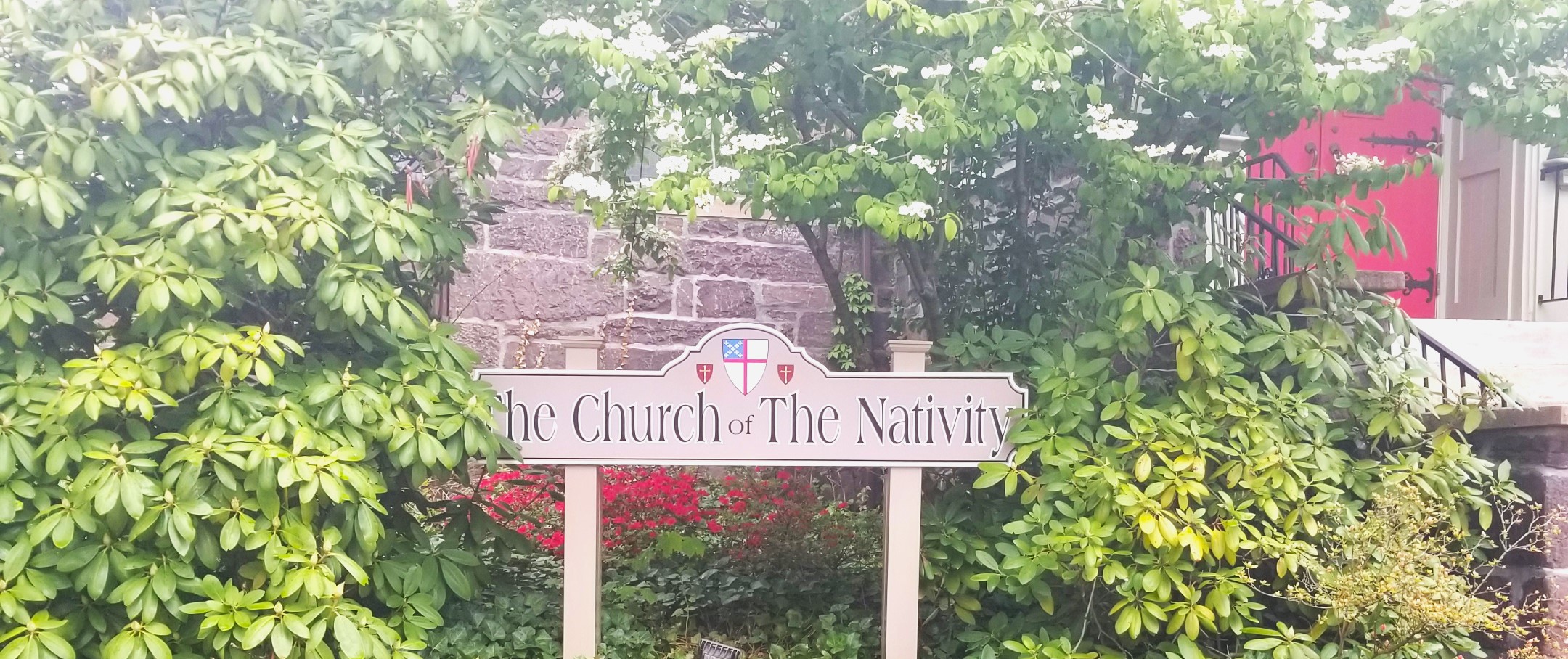
The Church of the Nativity and St. Stephen’s
Thirteenth Sunday After Pentecost, Proper 15, track 1
//lectionarypage.net/YearB_RCL/Pentecost/BProp15_RCL.html
So do not be foolish, but understand what the will of the Lord is. Ephesians 5:17
Please be seated
I love sailing. It’s something I never did until I was nearly 50 and I have not gone sailing often, but I do love it. Mostly I have sailed on the Chesapeake Bay, which is mostly calm. I just love how the wind catches the sails and propels the boat. That’s why I was so drawn to the retreat on the Schooner Lewis R. French.
The Schooner was a much larger boat and involved staying overnight. It also involved sailing in Penobscot Bay off the coast of Maine. Usually during July, the sailing on the Chesapeake is not much fun. It’s so warm and there is no wind, but Maine is further north, promising a good sail in July.
The boats I’d sailed on could easily be worked with two people. However, the schooner required quite a lot of us to hoist the sails each day, as well as lower them each evening. And that “heave…ho” you’ve heard of was put to good use as we pulled and pulled the ropes to make the sails taut.
The first day we had wonderful wind and a beautiful sail. The next day was different. At one point, my friend wondered aloud what was going on that we weren’t really moving. She wondered if the captain was fooling around with something rather than sailing the boat. She was pretty exasperated, until someone reminded her, there’s no wind! A sailboat doesn’t go anywhere when there is no wind.
There is another story of a boat becalmed and an impatient passenger. John Henry Newman, later Cardinal Newman, nearly died of a fever in his early 30s, while traveling around the Mediterranean. As he was recovering, he longed to return to England. He took a boat from Palermo in Sicily to Marseilles in France. Unfortunately, at one point, there was no wind. John Newman was stranded and exhausted physically and emotionally. He wrote a poem, which was later set to music and known as the hymn, “Lead Kindly Light.”
The first verse is:
Lead, kindly Light, amid the encircling gloom
Lead thou me on;
The night is dark, and I am far from home,
Lead thou me on.
Keep thou my feet; I do not ask to see
The distant scene; one step enough for me.
In our reading from Ephesians, Paul continues his words of wisdom to the early church community. He encourages the followers of Jesus Christ to be wise and to follow the will of God as opposed to following the ways of the world.
How can we be sure we are living our lives in accordance with God’s Will? In other words, how do we discern God’s Will?
Each week we pray the Lord’s Prayer with the words, “Thy Will be done.” But how does that work?
The work of understanding God’s Will for us individually and as a community is known as discernment. How can we discern God’s Will?
I’ve been re-reading a book, Listening Hearts: Discerning Call in Community. The book contains lots of great ideas and advice about how to discern God’s Will. There are three things I’d like to highlight this morning.
One attribute required is humility. Humility means we are realistic about ourselves. We are realistic about what we do well and what we don’t do so well. This applies to us individually and as a parish. This is easier said than done. We don’t want to boast and sometimes we put ourselves down. Being clear-eyed about ourselves requires great discipline and reflection. Prayer certainly is a way to be realistic. We are in communication with God. Speaking and also listening.
We also need community. While there is certainly work we can do on our own, we need other people in and outside of the church to confirm that what we think God is calling is to, is really what God is calling us to. Some parishes have discernment committees that are ongoing groups that members can ask to help them with this task. I find great help in seeing a spiritual director. I’m amazed what comes together as I babble about my ministry and where I see God in my life and a few questions from my director.
And hopefully taking time each week to worship, either on Sunday or our Tuesday Taize’ or both. We make space through our time together to hear the voice of God.
And finally, we need patience and trust. Because sometimes the water is calm when we want the wind to fill our sails and keep us moving. Sometimes we feel like we’ve stalled. In that calm, we can continue doing our best. We can trust that God WILL GIVE US THE NEXT step when the time is right. We can trust like Cardinal John Henry Newman wrote:
Lead, kindly Light, amid the encircling gloom
Lead thou me on;
The night is dark, and I am far from home,
Lead thou me on.
Keep thou my feet; I do not ask to see
The distant scene; one step enough for me.
Amen
Story behind the Hymn Lead Kindly Light: https://www.telegraph.co.uk/culture/music/3668066/The-story-behind-the-hymn.html