


 Loading...
- Sermon March 11, 2018
The Rev. Rebecca S. Myers, LSW
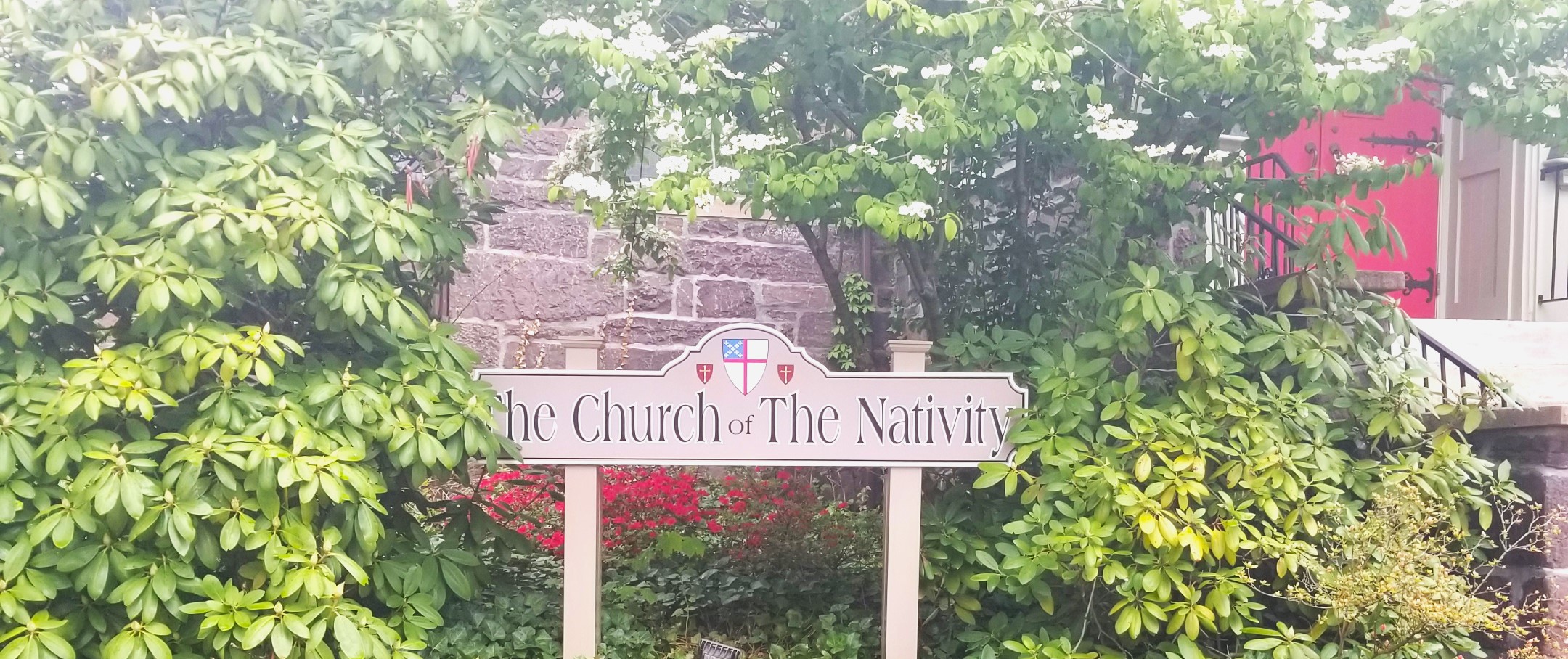
The Church of the Nativity and St. Stephen’s, Newport, PA
Fourth Sunday in Lent, Year B
//lectionarypage.net/YearB_RCL/Lent/BLent4_RCL.html
The people spoke against God and against Moses, ‘Why have you brought us up out of Egypt to die in the wilderness? For there is no food and no water, and we detest this miserable food.’ Numbers 21:5
As most of you know, I was in Northern California for a few days this past week. I traveled there to participate in a research study at Stanford University in Palo Alto. The study is called The Treatment Decisions Study. The research is exploring how women newly diagnosed with breast cancer make their treatment decisions.
For three days prior to my visit, I completed lots of paperwork, including a variety of surveys. I also collected saliva at three appointed times of the day. I believe the researchers will test for the hormone cortisol. Cortisol helps us respond to stress, regulates blood sugar and helps us fight infections.
Once I got to Stanford, I participated in a number of tests done by computer. Some were hard, like memorizing a stream of numbers in reverse order. Some were funny like the one where you had to push a button to blow up a balloon. The point was to not have the balloon pop. It was totally random. And you could win money based on the number of points you got for the game! I won $3.69.
The major part of my Stanford visit; however, was 1 ½ hours in an MRI machine. The researchers watched my brain activity while I did a variety of tests. There was a screen above my head and I had a controller in my hand with 5 buttons on it.
In one of the tests, I was shown many pictures. Before the picture appeared, I was given the instruction to either watch or rethink. The rethink pictures were often disturbing. There were pictures of people crying and also pictures of people obviously sick or receiving treatment, especially treatment for cancer. While I saw the picture, I was supposed to try to think of a reason for the picture to be less negative. Then I rated my level of negativity using one of the 5 buttons on the controller.
The test was looking at whether and how I could make something difficult and challenging in something more positive. Could I find the silver lining in a dark cloud, so to speak?
I think the Israelites in our Old Testament reading today needed the “Rethink” direction!
We can hardly blame them, can we? I have been tent camping as I’ve told you; however, wandering for years in the wilderness is not my idea of great fun. Plus, having the same food day in and day out would have been so boring. I can be a champion whiner and complainer, so I certainly identify with those Israelites.
I think at the heart of it all, they were very afraid. They were not sure where they would end up. At least in Egypt, they believed they understood the parameters of their lives, even though things kept getting more violent. They did not know when this wilderness time would end. While they had little control over their lives in Egypt since they were enslaved, this wilderness time felt wholly chaotic. They were afraid.
Now, fear can be a very good emotion in certain situations. When we are afraid, we are getting a message that something is not right. Fear can help us respond appropriately to situations that are threatening to us. However, sometimes we feel fear and anxiety in situations that are not threatening to us. Living in too much fear limits our lives, takes away our peace, and hurts our physical, emotional and spiritual health.
As I thought about this Numbers passage, I realized that an antidote to fear is gratitude. There are a number of things we can do to cultivate gratitude.
Some things people have recommended include:
1. Noting what makes you happy each day. Is it the flower that is beginning to peek through the snow? Even the fact that you woke up this morning to see another day? Pay attention to the tiniest things that give you life and joy.
2. Create a gratitude journal. You can do this any time of day, but it can be especially helpful at the end of the day to write down the things you are grateful for. Even just praying to God and voicing them out loud can be helpful.
3. Do the “rethink” exercise. When you are going through a tough or challenging time, is there something in it that you can be grateful for? Are people praying for you? Do you have support around you? Are you somehow getting through?
4. Share your gratitude with others. Find people you can share your joy and gratitude with. Talking about it helps them and you.
I’m not saying all of the challenges in our world will go away if we can just be more grateful. There are fearful and tragic things happening all around us. However, shifting our response to one of finding some gratitude affects our physical, mental, emotional and spiritual bodies. We can better cope with the tragedies that befall us. We are often better able to reach out to help others. We can see new ways of helping our communities. We can see new ways of living our own lives.
So, let’s move from fear, whining and complaining to gratitude. I mean, who wants to get bitten by a snake?
Amen
//www.alphabetsalad.com/5-ways-cultivate-spirit-gratitude/