


 Loading...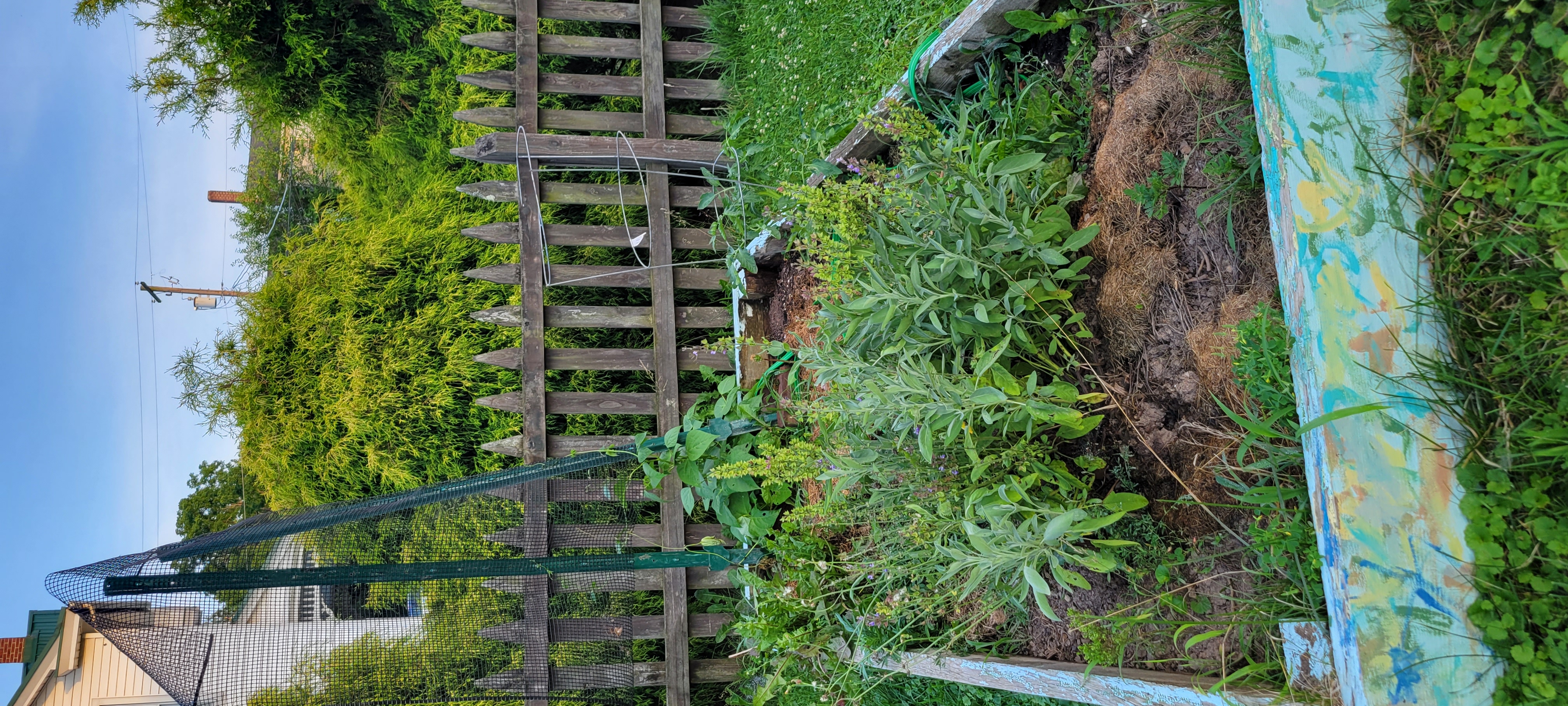
Sermon July 16, 2023
The Rev. Rebecca S. Myers, MSW
The Church of the Nativity and St. Stephen’s
Seventh Sunday after Pentecost, Year A, Track 1, Proper 10
https://lectionarypage.net/YearA_RCL/Pentecost/AProp10_RCL.html
Audio: /documents/Eucharist__July_16__2023
Video: https://youtu.be/jHc4vP_SfQI
Jesus said: But as for what was sown on good soil, this is the one who hears the word and understands it, who indeed bears fruit and yields, in one case a hundredfold, in another sixty, and in another thirty. Matthew 13:23
Even though I come from some people who made their living as farmers, I am not one. I barely keep house plants alive and blame the fact that I don’t have any on my cats, because you know they will eat them.
I was excited when John and Kay Cramer built a raised bed for me and happily planted a variety of things in it the first year. But everything went everywhere. The cucumbers hid, it seemed and I think there was some kind of virus in the zucchini. I finally decided in subsequent years to only plant 1 or 2 tomato plants and the greasy beans – a variety of green bean that only seems to grow in the south. The only way I get any greasy beans is if I grow them myself.
This year, the planting time seemed to get away from me and the bed was filled with the most wonderful and beautiful and huge dandelions you’ve ever seen! I know a cover crop is good for a garden and this year, my cover crop was dandelions.
For Mother’s Day my daughter and her wife bought me TONS of seeds – tomato seeds and sunflower seeds. I planted 3 tomato seeds directly into the ground. I planted the sunflower seeds and close to them I planted the greasy bean seeds that I have. I hoped the beans could climb the sunflower stalks. These greasy beans are pole beans and do they ever climb. Well, none of the sunflower seeds germinated, at least not yet. Two bean plants came up and I had to put up my goofy structure for them to climb and one tomato plant came up.
Yes, the soil is good, but how much and what it will produce remains to be seen.
This past week, as you may remember, I attended the “It’s All About Love” conference sponsored by The Episcopal Church. It was billed as a festival and revival. You will find the plenary sessions and worship services online on The Episcopal Church Facebook page. I commend them to you.
The conference was fantastic and also a lot to take in. We were busy from 9am until 9pm at least! In addition to the large gatherings, there were exhibitors, lunch-time offerings, and workshops. The focus was on racial reconciliation, evangelism and creation care. In addition, I saw quite a few folks that I went to seminary with, which was fun.
Throughout the festival, I heard over and over again that the church needs to be the church of Jesus Christ. Many times the speakers I heard were provocative in prodding us to consider the nature of following Jesus.
One of my favorite theologians, Rev. Dr. Kelly Brown Douglas emphasized that the cross is not about how Jesus died. The cross is about how Jesus lived. Hmm, what did Jesus do that caused the oppressive government of his time to brutally kill him? What does that mean for us today?
In our Gospel reading today, Jesus talks about the fruit of those who are planted in good soil. Today, what does that fruit look like? Often when we hear that there was an increase by thirty, sixty or one-hundred fold, we easily think about people in the pews and bringing people in. It’s an easy way to think about the parable, I think.
Yet, during the “It’s All About Love” festival, I think we were challenged to look deeper. What does that fruit of the good soil look like today?
The last speaker on Wednesday morning was Pastor Brian McLaren. He was interviewed by Ms. Jerusalem Greer, staff officer for evangelism on the Presiding Bishop’s staff. His most recent book published in 2022 is Do I Stay Christian?, which is certainly a provocative title and he said some things that are shocking and yet I believe relate to what good soil produces.
He said that in our day and time being the Christian church is aspirational. He said that frankly, it’s questionable whether the Christian religion has ever reached this country. He explained that the dominant culture of the United States has been white supremacist, slave owning, indigenous people eradicating, money loving and neighbor despising neighbor. He wondered when this was ever a Christian nation.
Wow, that’s an indictment, isn’t it?
He said that many times the church has been like a country club with very low dues and no one even making sure everyone has paid their dues. The bar for being a Christian or follower of Jesus Christ has been very low.
Another speaker at the lunchtime huddle I went to, The Rev. Dr. Patricia Lyons, talked about how The Episcopal Church has $48 billion in resources, although not all of it is liquid. She said that is $21 million for each and every Episcopalian. And what are we doing with that, she challenged.
McLaren says we are in for turbulent times. Things will get worse, because we are in an unsustainable relationship with all of creation – earth, people, creatures.
What a downer this is, isn’t it? Makes you glad you’re possibly towards the end of your life, maybe.
But McLaren goes on to say that what the church can be and can offer is community. He says that the writer Wendell Berry says that the fundamental unit of the human family is community. To live, we must be connected to each other, right? We have a shared dependence on our local environment. Communities are the ones really dealing with the problems we face here and now. Churches seem to be about the only place caring about all of creation.
McLaren said the ultimate reality in the universe is a generous impulse of love. When I heard him say that, I nearly burst into tears. His words resonated so deeply. Yes, that is the heart of following Jesus Christ – that creative, generous loving urge. McLaren says he, at least, is willing to risk his life on something he cannot prove. He is willing to live his life for love.
Our community right here and right now needs our creative generous loving urge that Jesus Christ lived for and taught us about. This deep, abiding and unconditional love is the good soil and produces abundant life. It is necessary for our survival.
Amen
Plenary – Brian McLaren https://www.facebook.com/episcopalian/videos/220684537608719
Preaching – Sarah Augustine https://www.facebook.com/episcopalian/videos/220684537608719