




 Loading...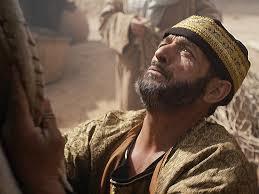
- Sermon July 1, 2018
The Rev. Rebecca S. Myers, LSW
The Church of the Nativity and St. Stephen’s
Sixth Sunday After Pentecost, Proper 8, track 1
//lectionarypage.net/YearB_RCL/Pentecost/BProp8_RCL.html
Then one of the leaders of the synagogue named Jairus came and, when he saw him, fell at his feet and begged him repeatedly, ‘My little daughter is at the point of death. Come and lay your hands on her, so that she may be made well, and live.’ Mark 5:22-23
Please be seated.
Have you ever visited the Army War College in Carlisle? I remember going there as a young child, not only to learn about the Hessian soldiers, German soldiers who fought for the British during the Revolutionary War. They were held as prisoners at Carlisle.
A main attraction, though, was the monument to Jim Thorpe, one of the best athletes of all time, who attended the Carlisle Indian School.
The school was known as the Carlisle Industrial Training School. The United States Government had a policy of destroying the native peoples of this country. Richard Henry Pratt, an Officer in the Army, did not like these policies, and gradually developed what was considered a more humane way to deal with the native peoples – train them to be like European-American people. This caught the attention of some wealthy people who became funders and eventually the Indian industrial schools were created.
Native families were forced to separate from their children and send them hundreds of miles away to these boarding schools. At the schools, children were punished if they used their native language. Native ways of life about clothing and hair were not followed. Hair was cut and clothing was European. It was thought to be humane and charitable to make the Indians be like the European-Americans.
While the people who created and supported these schools thought they were doing something good, the outcomes of what was done, were devastating. You can find videos online of people who survived those schools. Listening to their stories is heartbreaking. The pain of being forced to lose your language, to lose your family, to lose the things that grounded you and helped you understand who you are, was immense.
In recent weeks, we again see videos, photos and audio of children being separated from their families.
In today’s Gospel, we hear of a parent, Jairus. He was a temple leader. This is important to note, because the leader of the Temple was not necessarily someone who would embrace this itinerant preacher, Jesus. Yet, Jairus, like most parents, I believe, loves his children. His daughter is sick and near death. He will do anything…anything to keep her alive.
This is deep love. Jairus goes against the wisdom and authority of the times, because he has heard that Jesus Christ does miracles. He has heard that Jesus Christ can heal where others have failed. He wants his daughter to live. And Jesus is in his town. So he goes to Jesus and we read that he pleads with Jesus repeatedly to come heal his daughter.
We can see him, possibly down on his knees with tears in his eyes, imploring Jesus to come to his home…to please come and save his daughter.
This father loved his daughter so much, like all good parents. He wanted her to have life. He wanted her to have a good life, a holy life.
We know that on the way to the home of Jairus, people come out to say the child is dead. But Jesus tells Jairus not to be afraid and keeps going to the home. The people in the home, supporting the family, just laugh when Jesus says the child is not dead. They laugh at him.
So, Jesus makes everyone leave the home and takes only the father, the mother, and Peter, James and John with him to the daughter’s room. Jesus speaks to the 12-year-old daughter to “get up.” And she does. Of course everyone is amazed to see her up and walking around.
We can imagine the joy of the parents. We can imagine the joy of the family and friends. We can imagine the joy of the 12-year-old girl in knowing she is well.
Jairus takes a chance to do the best for his daughter. He is an example of all good parents everywhere who take risks and sometimes make dangerous journeys, who leave bad situations, who try to do the best they can, even when there is no job or no money, who eat last and eat little, so the children can eat, who hide their children from those who would kill them, who flee their countries so their children can live.
We expect parents to do this…to put their child’s welfare above their own…to do whatever it takes to protect and support their children.
Jesus, who is besieged by large crowds, hears the plea of Jairus…hears the plea of a Temple official, who most likely did not welcome him and who was part of the structure that challenged Jesus and gave him a hard time in his ministry. Yet, Jesus has compassion. Jesus has a heart for the child and the love of a father for his child.
Even with so many in the crowd following him and listening to him and even asking for miracles, Jesus is willing to leave the crowd to save this child who may never follow him or heed his teachings. Jesus is willing to heal this child and keep this family together, even though they may never follow him. Jesus doesn’t make any demands. Jesus just supports this family and heals this child.
May we, like Jesus, have compassion for the children. May we like Jesus hear the pleas of families trying to care for their children in the midst of horrendous violence. May we use our hands, hearts, feet, and voices to provide comfort and healing.
Amen
https://www.youtube.com/watch?v=yfRHqWCz3Zw