


 Loading...
Sermon October 1, 2017
The Rev. Rebecca S. Myers, LSW
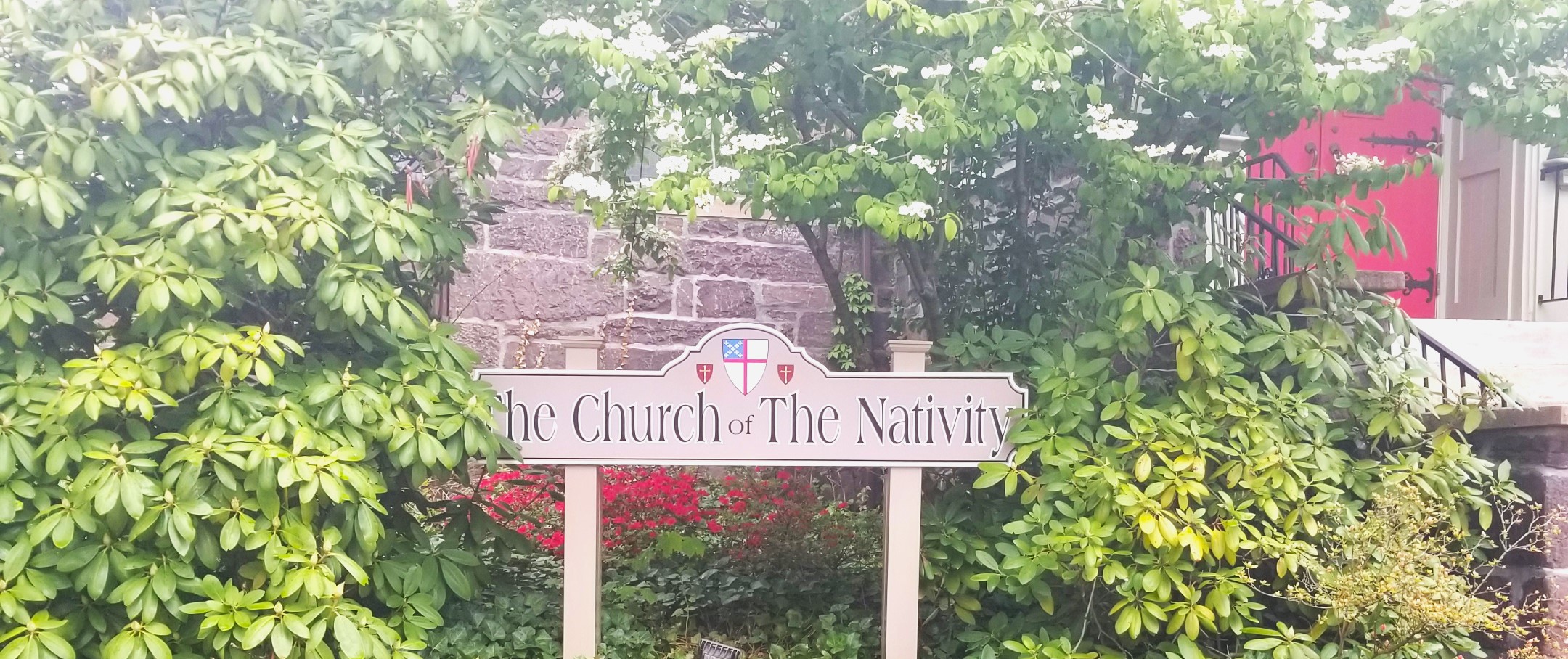
The Church of the Nativity and St. Stephen, Newport, PA
Seventeenth Sunday After Pentecost, Track 1 Year A Proper 21
//lectionarypage.net/YearA_RCL/Pentecost/AProp21_RCL.html
Do nothing from selfish ambition or conceit, but in humility regard others as better than yourselves. Let each of you look not to your own interests, but to the interests of others. Philippians 2:3-4
Please be Seated.
About 25 years ago, I read a book titled Black and White Styles in Conflict by Thomas Kochman. It’s a book about how our culture, ethnicity and experience influences how we relate to each other. We may all be speaking English, but we communicate very differently. Often our communications are misunderstood even when we know the words.
I’ve remembered a couple of things that I’ve found extremely helpful over the years. Things that I just never put together. For instance, in much of Black culture (and maybe other cultures, too) there is a high level of tolerance for high emotions and the expression of those emotions. However, in much of White culture, the goal is to keep the emotional level lowered.
One personal example of that that has stuck with me all of these years is behavior at a play. Most times I’ve been to see a theater production, the audience may laugh at appropriate moments or maybe sometimes after a particular point, there might be clapping. Yet, every time I’ve seen the play Fences by August Wilson, whether on Broadway or in Harrisburg, PA, people in the audience talk back to the actors on stage.
I was taken aback the first time I saw that happen. It was when I attended the play on Broadway. At a particularly dramatic scene near the end of the play, Troy, the main character, and his wife, Rose, are having quite a heated discussion. Rose is really lighting into Troy about his behavior. Emotions are high. And then the audience gets involved, “You tell him, honey.” I’d just never heard that kind of back and forth from the audience to the stage. Yet, that’s a hallmark of Black communication – call and response.
For most of us who are White, the norm is to be fairly quiet or somewhat subdued in our response to what’s happening onstage.
The book talks about example after example of how there are these differences and how often those of us who are White dismiss what is being communicated to us by a person who is Black, because we don’t like the way the message is delivered. The delivery does not conform to our standards. There’s a story about a woman who is Black, whose purse was stolen at work. Of course she’s irate and she expresses all of her feelings about the incident.
However, the response from her co-workers, who were White, was to not listen or to chastise her, because of how she reacted to the incident. The main point was that her purse was stolen! Yet, that whole message or concern could be discounted and ignored, even, because of the perception that she did not express herself in the “right” way.
Needless to say, I’ve thought about this often in the past week as all of the controversy has swirled around what to do when the National Anthem is played.
When I look at the situation, I see conflict in how we handle our relationships with each other. Paul was dealing with that when he wrote his letter to the Philippians. The community at Philippi had many great attributes and they were also having trouble with each other…with their relationships. Today we hear some of Paul’s words about being in relationship with each other.
Today begins our month of stewardship. Your letter and pledge form are available at the back of the church. We’ll bless all of the pledges on October 29. Usually, when we talk about stewardship, we automatically think about money. Yet stewardship means “the careful and responsible management of something entrusted to one’s care.”
Stewardship applies to so many areas in our lives. Today we hear words from Paul about the stewardship of relationships. Relationships are at the heart of Christian life. Relationships abound. Whether it’s our relationship to God…to each other…to our community…to our natural environment, we are asked to be careful and responsible managers of it all.
Paul tells the followers of Christ who meet in Philippi that they are to regard others as better than themselves. I don’t think Paul is saying that others are better than us. It’s more of a stance and attitude we take towards each other. It’s an attitude that promotes respect and listening to each other. It’s an attitude that tamps down our natural inclination to judge others.
Then Paul says, we should look to the interests of others, rather than our own interests. Again, Paul is urging us to cultivate an attitude that is against our natural inclinations. How can we look to the interests of others? What are those interests? What are those needs? When people are protesting, what is the need?
I’m not fond, as you know, of confederate flags flying and I do get annoyed when I see them. I also wonder why people fly them and what that symbol means to them? What is the need they are expressing? Again, I don’t like the way they are expressing their need and Christian relationship stewardship demands that I listen.
The ancient hymn embedded in Paul’s letter states it well when it talks about Jesus in verses 6-8 of the passage:
who, though he was in the form of God,
did not regard equality with God
as something to be exploited,
but emptied himself,
taking the form of a slave,
being born in human likeness.
And being found in human form,
he humbled himself
and became obedient to the point of death--
even death on a cross.
Let us practice relationship stewardship and like Jesus, empty ourselves and humble ourselves.
Amen