

 Loading...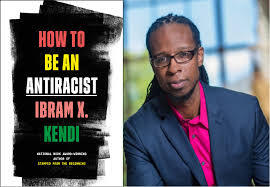
Sermon March 14, 2021
The Rev. Rebecca S. Myers,
The Church of the Nativity and St. Stephen’s
Fourth Sunday in Lent, Year B
http://lectionarypage.net/YearB_RCL/Lent/BLent4_RCL.html
Audio: /documents/Eucharist_March_14__2021
Video: https://youtu.be/BY_7n_y3nug
From Mount Hor they set out by the way to the Red Sea, to go around the land of Edom; but the people became impatient on the way. Numbers 21:4
For by grace you have been saved through faith, and this is not your own doing; it is the gift of God— not the result of works, so that no one may boast. For we are what he has made us, created in Christ Jesus for good works, which God prepared beforehand to be our way of life. Ephesians 2:1-10
‘For God so loved the world…. John 3:16
Back in January I signed up for an online book group with Province III of our denomination. Province III is composed of the Dioceses in Pennsylvania, Maryland, Virginia, West Virginia and the District of Columbia.
The book group is reading the book, How to be an Antiracist by Professor Ibram X. Kendi. The book was written in 2019 as a follow up to Professor Kendi’s book, Stamped from the Beginning. Professor Kendi was the head of the Antiracist Research and Policy Center at American University. Last July, he became the Director of the Center for Antiracist Research at Boston University.
Part of the attraction of this particular book group is that Professor Kendi will be a speaker at the online Province III event on March 24. This event is open to everyone, so you can register and attend if you would like.
The book is so interesting, because Professor Kendi uses his own story and experiences to highlight the concepts he talks about. The book is also challenging, because he defines racism and antiracism is ways different from what I have learned and studied over the years.
After many years researching racism and antiracism, Professor Kendi says,
“The source of racist ideas was not ignorance and hate, but self-interest. The history of racist ideas is the history of powerful policymakers erecting racist policies out of self-interest, then producing racist ideas to defend and rationalize the inequitable effects of their policies, while everyday people consume those racist ideas, which in turn sparks ignorance and hate.” P.230
Throughout the book, Professor Kendi emphasizes that eradicating racism requires policies that are antiracist; that education and moral persuasion do not go far enough, because they do not go to the root of the problem, which is self-interest. Exaggerated self-interest leads to evil, ignorance and hatred.
There is something in our makeup as human beings that overemphasizes personal self interest. Our passage from Numbers today reminds us that this exaggerated self interest has been going on for a very long time.
The Israelites are in the wilderness and we hear that they became impatient. We can all relate to that right? Who has not become impatient, especially on a long trip and imagine wandering in the desert and not really knowing where you will end up? So, the people start complaining against Moses and against God. They are ungrateful in their patience. We can hear them say, “God and Moses, this is just not working out for me.”
The people talk like returning to their oppressive life would be much better. The people cannot see beyond their own personal experience. They cannot see how this journey, all that happened and all that is to come, will be important not only for them, but for the world.
Exaggerated self interest blinds them to their journey and severs their relationship with God.
In our Gospel today, we hear that familiar and beloved verse, “God so loved the world….” God so loved the world that God sent God’s only son. We needed and continue to need saving from our exaggerated self interest, from our skewed thinking that the world revolves around us and around what we think we need. Sometimes we act like we are the sun around which the world revolves, don’t we?
Look at Jesus’ ministry. It was all about challenging people’s actions and behaviors rooted in their own self-interest.
Vestry is now reading the book by Presiding Bishop Michael Curry entitled, Love is the way: holding on to Hope in Troubling Times. In the first chapter, What is This Thing Called Love?, Bishop Curry says,
“Love is a commitment to seek the good and to work for the good and welfare of others. It doesn’t stop at our front door or our neighborhood, our religion or race, or our state’s or your country’s border. This is one great fellowship of love throughout the whole wide earth, as the hymn goes. It often calls us to step outside of what we thought our boundaries were, or what others expect of us. It calls for us to sacrifice, not because doing so feels good, but because it’s the right thing to do.” P. 23
God so loved the world. Jesus so loved the world. We are called to love the world. We are called to examine and challenge our own self interest. We are called to set aside our own self interest and as Bishop Curry says, “to seek the good and to work for the good and welfare of others.”
Professor Kendi would agree. In being antiracist, we examine our own self interest and the self interest of the groups, organizations, societies and institutions to which we belong. Rather than insisting on our own self interest, we follow Jesus and love God by seeking the good and welfare of others.
Paul in his letter to the Ephesians provides us great hope and understanding for this challenge. Paul reminds us that it is God’s grace that saves us. It is not anything we do. God will not love us any more or any less than God already loves us.
Paul reminds us that God has created us for good works. God through Jesus Christ has created us, if you will, for seeking the good and welfare of others. That is our way of life.
Amen
https://en.wikipedia.org/wiki/Ibram_X._Kendi
March 24 Province III event with Professor Kendi https://www.province3.org/join-us-for-a-qa-with-dr-ibram-x-kendi-author-of-how-to-be-an-antiracist/