


 Loading...
Sermon March 24, 2019
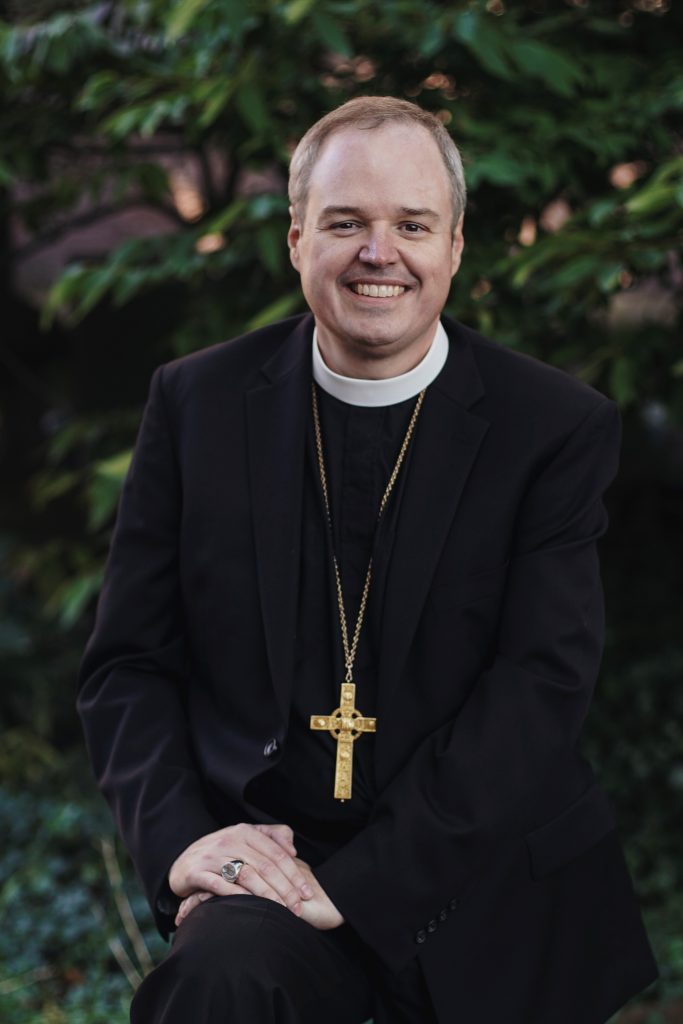
The Rev. Rebecca S. Myers,
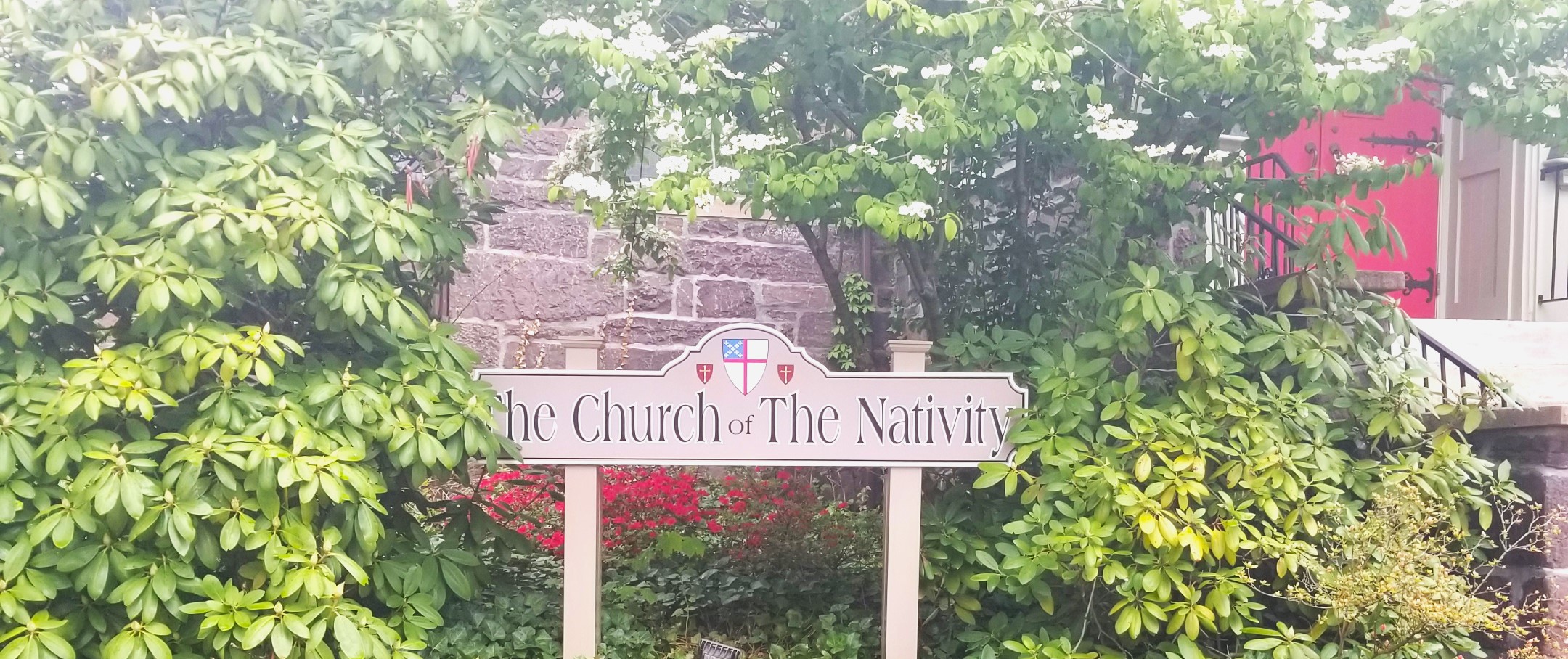
The Church of the Nativity and St. Stephen’s
Third Sunday in Lent, Year C
http://lectionarypage.net/YearC_RCL/Lent/CLent3_RCL.html
No, I tell you; but unless you repent, you will all perish just as they did. Luke 13:5
Please be seated.
This past week, I was sure glad the rain wasn’t snow! Two inches of rain is about 20 inches of snow. While I tired of shoveling snow this past winter, I was grateful that we didn’t have one of the really big snowfalls.
My first winter in Newport, in 2016, we did have one of those big snows – at least 24 inches. I kept going out every couple of hours to shovel. I learned that my deck on the back of my house is incredibly slippery when there is snow on it. I fell shoveling that big snow and actually fractured my elbow! I didn’t get to the doctor’s right away, though, because of all of the snow.
Now, imagine, I live right by the emergency services, but wasn’t sure anyone would hear me knocking on their door and I didn’t think my arm being injured was enough of an emergency to go to the hospital during that big snowstorm.
Luckily, it was only minor and a few weeks of immobilizing my arm healed it just fine. Yet, I certainly thought about how to make the deck safer or make my exit from the back of my home safer. I shoveled a path along one side. There’s a railing there, so I can hold on to the railing while walking on that slippery surface.
Last winter, I realized I should enter and exit using the basement door when it’s slippery out. I was able to get a deadbolt lock on that door, so I never have to go across the deck when it’s snowing.
After having suffered the trauma of a fall and cracking a bone, I continually think about ways to make things safer for me when exiting the back of my home.
This activity is pretty normal. As humans, when something tragic or challenging happens, we want to know more. We think about ways this could be prevented. In some ways, we decide this couldn’t happen to us. Like maybe with the wildfires in California, we think that wouldn’t happen to us. We feel safe living in this part of Pennsylvania.
It is a human activity…a way to re-establish control over our lives…to do our best to prevent bad things from happening to us and to our loved ones.
In our Gospel today, people are talking with Jesus. They question him about an incident with Pilate. John Shea explains it like this:
“These “some present” are concerned with how to bring order to the vicissitudes of life. A horrendous incident is alluded to in the text. It seems some Galileans were visiting Jerusalem and offering sacrifices in the Temple. These sacrifices involved the killing of animals. Pilate sent in troops and murdered the Galileans, mingling their blood with the blood of the sacrificed animals. If the sacrificed animals were part of a ritual for the atonement of sins, the Galileans were murdered as they were repenting. This makes the crowd think that perhaps the magnitude of their sins had something to do with their tragic fate.” (p. 76-77)
A punishing God must have been involved with what happened to these people. To understand this as a random act or something that sprang from the evil in the Roman empire, was too much to comprehend.
The “some present” wanted assurance from Jesus that they were not like those killed in the Temple. That “those others” had done something to incur the wrath of God and their deaths were punishment for their sins.
Jesus adamantly and emphatically tells them that that thinking is crazy! That is not how God is. Jesus further says, rather than trying to figure out how sinful those others were, we must look at our own lives, see our own sin, and repent or turn around or change our own minds. We must think in new ways.
Something helpful that I have been taught is that when I point my finger at you, three fingers are pointing back at me. We remember how Jesus taught in Matthew 7:3-5:
Why do you see the speck in your neighbor’s eye, but do not notice the log in your own eye? 4Or how can you say to your neighbor, “Let me take the speck out of your eye”, while the log is in your own eye? 5You hypocrite, first take the log out of your own eye, and then you will see clearly to take the speck out of your neighbor’s eye.
As we hear about and see tragedies and challenges in the world and in the lives of those around us, we are called to examine our own lives. These same challenges and tragedies can happen to us. We must be prepared not only physically, but also spiritually.
Jesus tells us the parable of the fig tree that did not produce fruit…how the owner wanted to cut it down and get rid of it. Yet, the gardener wanted to nurture it for another year and give it one more chance to bear good fruit.
Jesus is telling us that in our examination of our lives, we need to be clear about the fruit we are producing. Once again, it’s not about what someone else did or didn’t do, it is about looking at ourselves. It is about looking at our own lives. It is about how we live into Christ’s teachings to love God, to love our neighbor, to love ourselves.
It is about how we live into our baptismal promises to believe in God, Jesus and the Holy Spirit; to continue in the teaching of the apostles and in fellowship and in the breaking of bread and in the prayers; to persevere in resisting evil and whenever we fall into sin, to repent and return to God; to proclaim by word and example the Good News of God in Christ; to seek and serve Christ in all persons, loving our neighbors as ourselves; to strive for justice and peace among all people and respect the dignity of every human being.
How are we producing fruit, individually and as a community of Christians in the Episcopal branch of the Jesus movement?
What do we need to nurture us and help us produce more fruit?
Amen