

 Loading...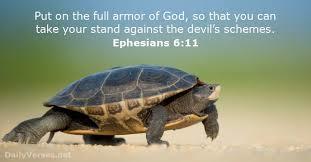
Sermon August 26, 2018
The Rev. Rebecca S. Myers, LSW
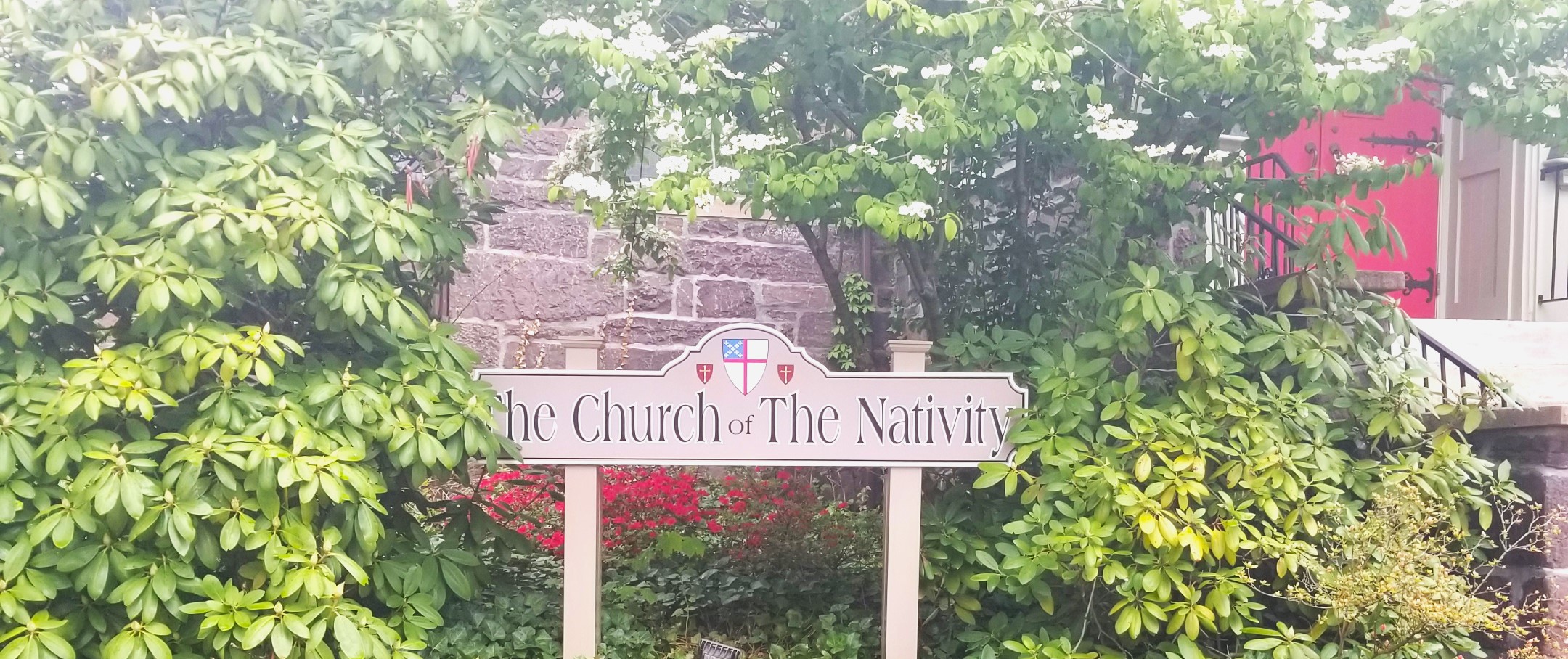
The Church of the Nativity and St. Stephen’s
Fourteenth Sunday After Pentecost, Proper 16, track 1
Put on the whole armor of God, so that you may be able to stand against the wiles of the devil. Ephesian 6:11
Because of this many of his disciples turned back and no longer went about with him. John 6:66
Please be seated.
One of the fun things for me in going to New England, especially Maine, was eating lobster. When I visited my friend Toni, she had additional house guests from New Mexico. Abby had never eaten lobster and I really enjoyed showing her how to eat it and watching her savor it. Then on the schooner cruise, we had a huge lobster bake our first evening.
We saw the buoys marking the lobster pots everywhere. And the second morning, our schooner rocked back and forth from the wake of the fast-moving lobster boats in the bay. They buzzed all around us. It’s quite an operation.
One of the amazing things, though, about the lobster at this particular time of year is that their shells are very soft. We never had to use the cracking tools you usually have to use. The lobsters, you see, had shed their old shells and the new ones were still relatively supple. They were still growing into the new shells.
Today in Ephesians, we hear a familiar passage about putting on the whole armor of God. Paul, in effect, is preparing us for the challenges we face as a Christian community. We have different ideas about living in this world, because we are disciples and followers of Jesus Christ.
Paul prepares us for coming up against the authorities and even the government of our time. We experience challenges spiritually and energetically. You know that feeling you get when you go somewhere and you just feel like the energy in the room isn’t right?
The elements of our armor are important.
We have the belt of truth. Some days it is hard to know what the truth is. At the most, we can pray and do our best to look for the facts and for the truth. Above all, we can measure whether what is happening provides outcomes that show a love for God, a love for our neighbor, and a love for ourselves.
Covering some of our most vulnerable parts of our body is the breastplate of righteousness. Again, this is about right action. This is about aligning our lives with God’s Will. Living this way protects our hearts.
We clad our feet with everything that makes us ready to proclaim the Gospel of Peace. This also implies action or at least movement. Walking through life proclaiming that God is love and justice. In the words of Micah 6:8 –
He has told you, O mortal, what is good;
and what does the Lord require of you
but to do justice, and to love kindness,
and to walk humbly with your God?
As we journey through this life, we must proclaim the Gospel of peace through our speech and through our actions.
Then there is the shield of faith. Our faith allows us to stand tall, no matter how much others may ridicule us or try to hurt us because of how we live. We stand firm in our understanding of God, Jesus Christ and the Holy Spirit and of their work in our lives.
The helmet of salvation protects another vulnerable part of our body – our heads. We know God came right here to earth in the form of Jesus Christ, to experience living as a human and to show us how to live the abundant life and the fulfilling life…to save us from how we were living.
We also have the sword of the spirit or the Word of God. The Holy Spirit is ever with us and again, guides us in our discipleship.
In our Gospel today, we hear how hard Jesus’ teachings were to accept. In fact, “many of his disciples turned back and no longer went about with him.” (John 6:66) Paul is telling us the elements that will protect us as Christians. However, discipleship requires we grow. Lobsters shed their shells and we, too, are challenged to continually grow into bigger and bigger shells of discipleship.
At first, we won’t quite fit into them and we will be vulnerable because our shells will be soft and pliable.
Recently, I found a piece from the Diocese. Unfortunately, there was no date on it nor any indication of the author. We have a number of copies. It is quite a challenging little pamphlet. It explains that membership tends to focus more on the parish. Membership involves giving money to support OTHERS who do ministry, which is done by professionals. Members maintain the institution and are expected to give enough financial resources to maintain the physical facility. Members are also expected to be good citizens and live an “upright life.” Members are expected to contribute to the larger good of the community and to not become public scandals.
This all sounds fairly good. Then it goes on to point out the assumptions about membership, including that the mission field is elsewhere. The goal of the congregation is to get and keep members and because in many places the “death rate exceeds the birth rate,” it is important to get members and to keep them. Congregations also have low expectations of members because if too much is expected of members, people probably won’t join or if they do join, they won’t stay around for long.
Membership is contrasted with discipleship. Disciples are expected to do the ministry. They don’t rely on professionals or the priest to do whatever ministry is needed, because they understand that ministry belongs to all of God’s people.
Disciples are expected to be transformed through daily prayer, scripture reading, weekly worship, growth in giving that is tithing or beyond, serving others in Jesus’ name and sharing their faith story with those who need to hear it.
Disciples live in community, with the understanding that the community outside the church building is the congregation. It is expected that there will be small groups or a small group that gathers for prayer, study and service.
The assumptions inherent in the life of discipleship are that the mission field starts at the front door of the church. The goal is to make disciples for Jesus Christ. Membership in a parish is not a bad thing, it just isn’t enough.
Finally, there are high expectations of disciples. Disciples are followers of Jesus and embody the traits of discipleship and diligently practice these traits.
The pamphlet asks the question, “What kind of diocesan and local community do you want us to be?”
Personally, I do think I straddle that line between membership and discipleship. I thank God for the ministries all of you participate in. I thank God for the ways our church helps people in our parish and by that I mean the geographic area we call our community. I thank God for the study opportunities available, not only within our Diocese, but also through our time together. We are planning a new year of Parlor People and you are invited to recommend areas we can study and discuss together, as ways to deepen our discipleship. I thank God for the Tuesday Taize’ services as a time of prayer and reflection.
How are you doing with your discipleship of Jesus? What might be some ways we as the community of Nativity and St. Stephen can support you in your growth of discipleship?
Because honestly, I do believe we are like the disciples who stayed with Jesus and we answer like Simon Peter:
‘Lord, to whom can we go? You have the words of eternal life. 69We have come to believe and know that you are the Holy One of God.’ John 6:68-69
Amen