



 Loading...
Sermon October 15, 2023
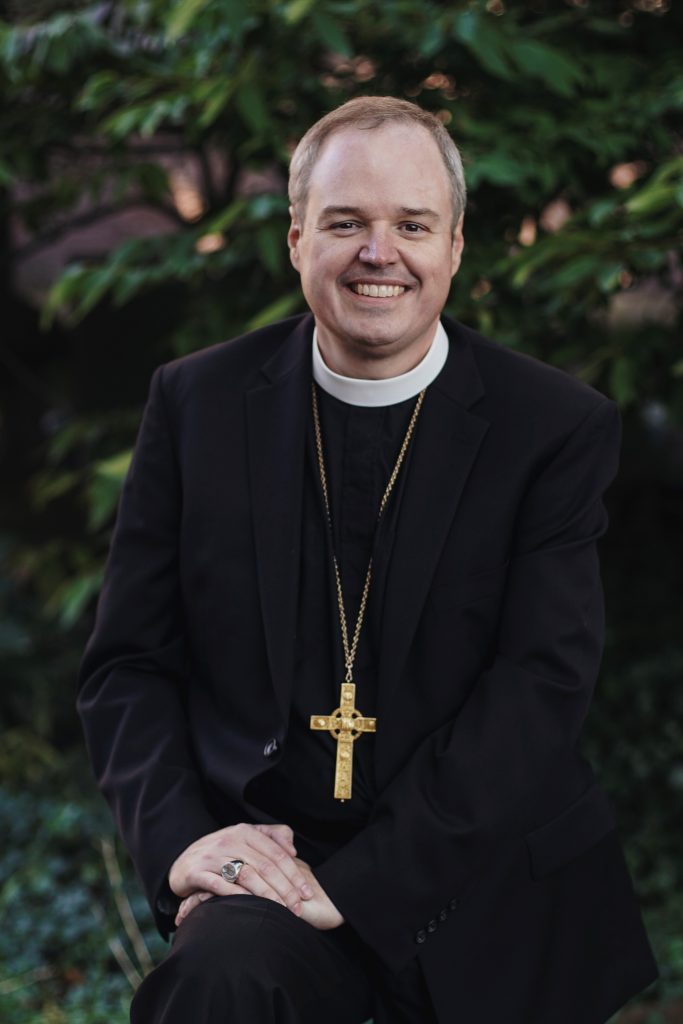
The Rev. John Sivley
The Church of the Nativity and St. Stephen’s
Twentieth Sunday after Pentecost, Year A, Track 1, Proper 23
http://www.lectionarypage.net/YearA_RCL/Pentecost/AProp23_RCL.html
Audio: /documents/Eucharist__October_15__2023
Video: https://youtu.be/bUscBmWlrXY
A young bride-to-be decided to call off her wedding 12 days before the event. The bride-to-be did not want to discuss what caused the breakup, but it occurred less than twelve days before the intended wedding day. Among the many concerns with which her parents were dealing, was the significant amount of money they had already spent for the ceremony and the celebration. The paid expenses were not refundable. Aware thåt plans were already in place and the expenses were paid, the bride's parents decided to host the party anyway, with a twist. Homeless people being temporarily housed in an interfaith family shelter were invited to attend the celebration, along with the staff who worked there. The homeless shelter was located in a former convent across from the church where the wedding had been scheduled.
The shelter staff arranged for rides to the country club where the reception was to be held. The DJ played really good music in the warm, friendly atmosphere. The food was delicious. The manager of the homeless shelter said it was a nice break for those attending from the shelter, not having to worry about their pressing concerns for a night. More than 50 family members and close friends were joined by about 40 homeless people, shelter workers, and volunteers.
Many of the previously-invited wedding guests chose not to attend. The new event was not what they had bargained for. They considered an evening party with homeless people, while still being hosted at their country club, to be unappealing.
Shelter residents came up and thanked the bride-to-be several times. "Thank you, thank you, thank you," they exclaimed. The bride-toie thought to herself about how much fun she had. Toward the end of the evening, they packed up all the leftover and delivered back to the shelter.
She was glad that leftovers from the banquet would help feed people at the shelter for another three or four days.
When you and I hear stories like this, we smile in approval of the bride who chooses to share the bounty with strangers. Those in a desperate plight had been given access to a feast fit for a king's sons and daughters.
It is difficult for us to comprehend the scandal that Jesus caused in his day by eating at table with just anyone. Sharing meals with notorious sinners indicated that he might approve of them as people, and actually be seeking their friendship. Exactly what we would want our Lord to be about, reaching out to the neediest.
But it didn't go well with the arbiters of propriety in his day." This fellow welcomes sinners and eats with them", the Pharisees and scribes grumbled.
We see the grumbling in the Gospel parable today. In today's Gospel, Jesus tells the third in a series of parables directed to those who refuse to accept the message of the Messiah — the grumblers. The Gospel foreshadows a future celebration symbolizing the fulfillment of Messianic hopes when God's kingdom will be established. It is about another banquet- a banquet given by a king for his son who is getting married.
Such marriage feasts could last for several days and so, as was the custom, the king sent his slaves to remind the invited guests that it was time for the feast to begin. When they did not arrive, the king sent more slaves to compel the invited guests to come to the banquet.
However, the guests still refused to accept the invitation. They even made light of the invitation. Some citizens went about their usual occupations of tending to their farms or businesses instead, while others killed the king's slaves.
In his anger, the king sent his army to destroy the murderers and the city in which they lived. The destruction of the city is taken as a reference to the fall of Jerusalem in 70 AD.
The host then commanded his slaves to go out into the streets and bring everyone they can find to partake of the feast. The slaves did as they were instructed and they gathered all of the people they can find, both good and bad. The wedding hall was filled with guests. This second invitation points out the mixed nature of those who are called by Jesus to God's kingdom.
Those who might be expected to respond to the Divine call, show only contempt for it. Those who seem disqualified because of their status in life accept the invitation and are welcomed. God often uses the most unlikely candidates for service. And if we do not heed the call, God's work will be carried out by others. Furthermore, those, like the religious leaders here, assume they are the heirs to God's kingdom, will finally be rejected if they put other concerns first. Their grumbling will get them nowhere.
This story is definitely an allegory. This means that the king in the story stands for God. The invited guests are likely the children of Israel. The people found in the highways and byways are probably the Gentiles, and the king's troops are probably a reference to the Romans who burned Jerusalem in AD 70.
But what matters is that the king gave a banquet and the invitations to the chosen guests were rejected.
All of the invited guests had excuses not to attend the banquet. The invited guests were the people of Israel, but they were not interested in attending. The scribes and Pharisees, as the religious leaders, were not interested in the Kingdom of God and they made excuses. They asked, "By what authority does Jesus do this"? They asked, "How can the son of a carpenter be the Son of God"?
Excuses, excuses, excuses, but the Parable of the Wedding Feast is not about excuses. It is about the invitation to the Kingdom of God.
What does the story of a royal banquet say to us about the nature of the Kingdom of God? First it says that the Kingdom can only come in the form of an invitation. And the invitation cannot be coerced, engineered, kept in one's own pocket or hoarded.
If God invites us, are we ready to accept? This challenging question is posed in today's Gospel reading.
In the parable today, the invitation to the banquet is universal. God called all people. The first to receive the invitation rejected it. Those called afterwards, accepted.
God's call to us may require change in our daily lives and it may involve risk. The people first invited in the parable were asked to change their plans. Enjoying lives of comfort and general complacency, they turned down the king's invitation.
Does this non- response to Jesus seem like us at times? Somehow in our daily routine, God gets put on the back burner and we think that we don't need God. We are just fine the way we are.
Are we ready to accept the invitation and trust God? Many of us have accepted this invitation to a greater or lesser extent. Our presence here today in this church and participation in this Christian community, are evidence of that. There is also a more personal, individual call, which goes out to each person and in different ways, each day.
How is God calling you this day? Possibly God's invitation is in the form of a new responsibility at work, at home, in the community or in the church. In this time of transition at Nativity, how might God be calling to be or to do in this community. How is Nativity an important part of your life. What resources to you have to offer Nativity now. Maybe God's call relates to a renewed relationship, in a friendship, in your family or in our relationship with God. Possibly the call involves changing or deleting something from our life's our busy schedule so that we can add something new.
God's invitation requires readiness. It requires an open heart. When we do accept God's invitation, we can be confident of God's love and presence. What we need is the mindset of the young child who stands at the edge of the pool, ready to jump in the deep end for the first time. The child has total confidence that mom or dad or sister or brother will be there with arms outstretched to catch him. God says to all of us, "Take the risk. Jump in. I am waiting with outstretched arms". Jesus' invitation to walk with him offers no less than the Kingdom of God. Let us embrace and accept God's call and jump.
Amen.