


 Loading...
Sermon October 29, 2023
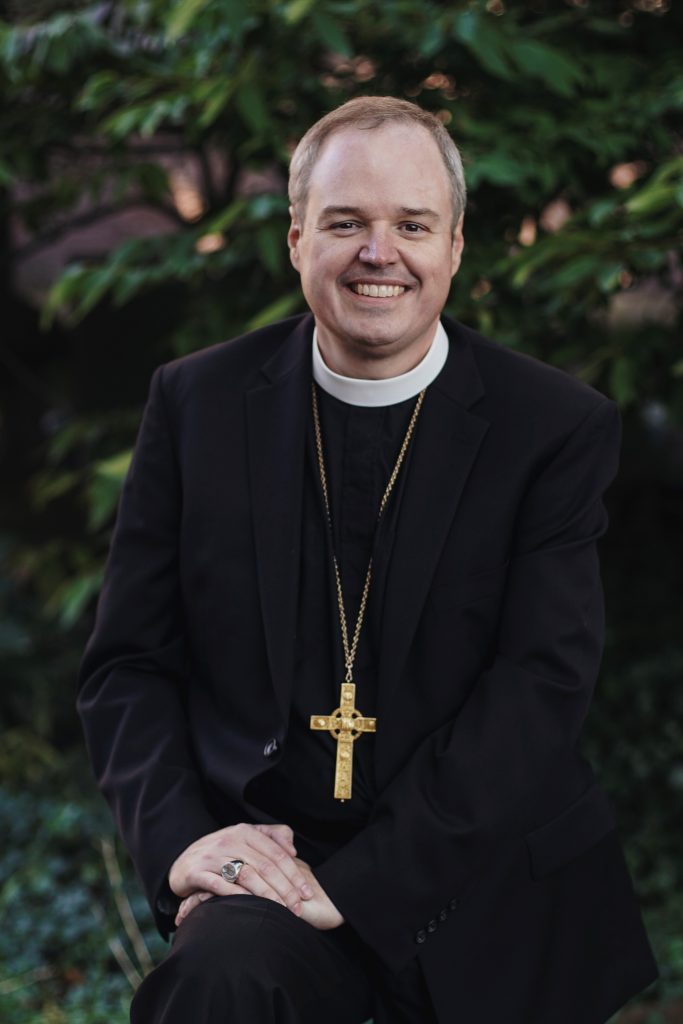
The Rev. John Sivley
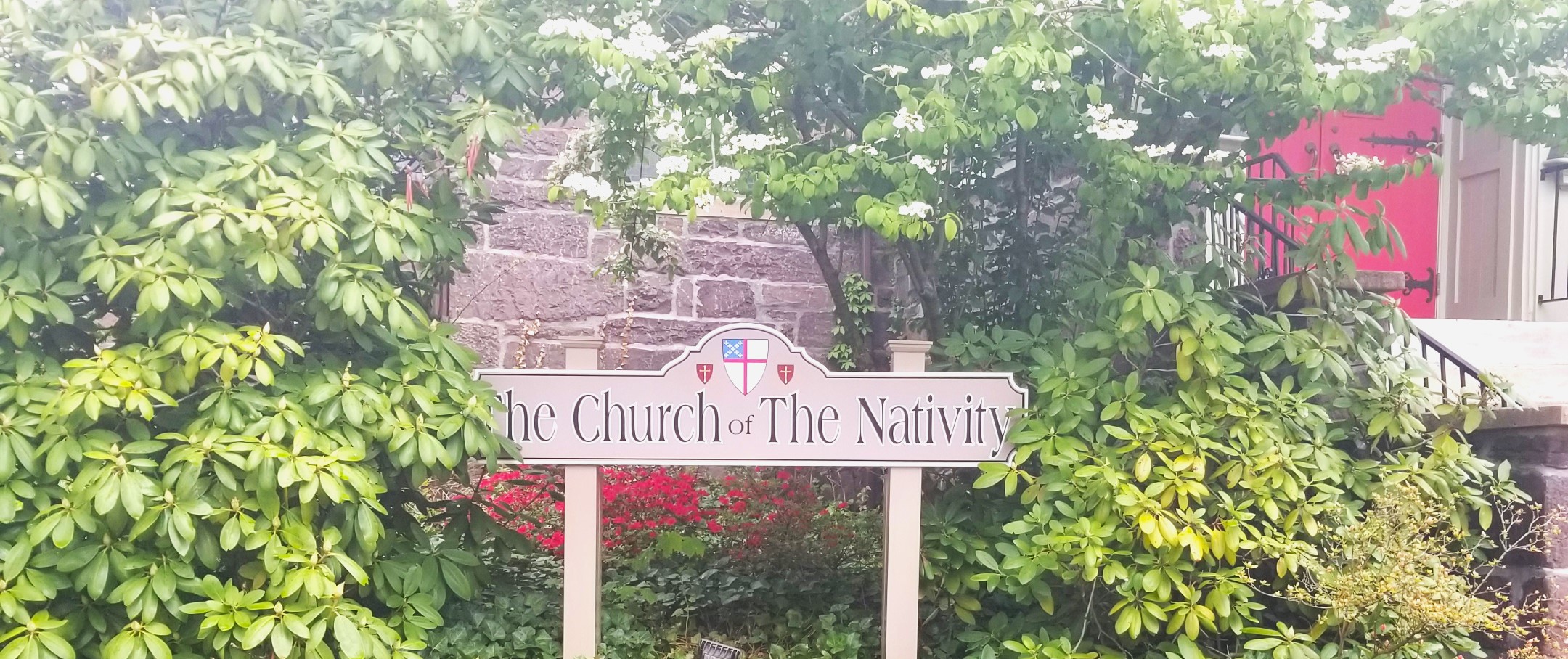
The Church of the Nativity and St. Stephen’s
Twenty-second Sunday after Pentecost, Year A, Track 1, Proper 25
http://www.lectionarypage.net/YearA_RCL/Pentecost/AProp25_RCL.html
Audio: /documents/Eucharist__October_29__2023
Video: https://youtu.be/JAtyaWcKpAk
A few years ago, the radio station FM 106 ran a contest. The morning disc jockey invited their early morning listeners to call when they heard the appointed song of the day. Radio station listeners were to share the first words they spoke when they rolled out of bed. The third caller would win $106.
It didn't take long for the contest to grow in enthusiasm. The first morning, the DJ asked caller number 3, "What did you say when you rolled out of bed this morning"?
A groggy voice said, "Do I smell the coffee brewing"?
Another day a sleepy clerical worker said, "Oh, no I'm late for work."
A third day, the caller related, "Honey, did I take the dog out last night? In the background, a muffled woman's voice was heard to say, "No you didn't and it's not going to be a good start for your day".
The contest was funny, at times embarrassing, and it drew a sizable listening audience.
One morning, however, the third caller said something unusual. The station phone rang and the DJ said," Good morning, this is FM 106. You're on the air. What did you say to yourself when you rolled out of bed this morning?'
A voice with a Bronx accent replied, "You want to know the first words out of my mouth this morning?
The DJ said, "Yes sir, tell us what you said".
The voice responded, "Shema Israel, Hear O Israel. The Lord our God, the Lord is one. And you shall love the Lord your God with all your heart and with all your soul, and with all your mind.”
There was a moment of silence. Then the confused DJ quickly cut to commercial.
In Jesus' day, the last caller's reply would not have been at all out of the ordinary. In our Gospel when a lawyer approached Jesus to put him to the test, the question of the most important law was posed: Teacher, which command in the law is the greatest"?
For Jesus, there is no hesitation in answering. As a Jew, Jesus would have first thought of the cornerstone of Jewish life and thought. Each morning and evening one sentence would have passed through his lips: "Shema Israel: Hear O Israel: The Lord is our God, the Lord alone".
Every religious service he attended would have begun with it. The Shema had been impressed on his consciousness from his earliest days. This is the creed that has been called Judaism’s greatest contribution to the religious thought of humankind.
"Shema Israel, Hear O Israel: The Lord our God, the Lord is one", faithful Hebrew worshippers extolled. And on its heels followed the axial precept underlying all ethics. Joining together the two statements, Jesus declared to the lawyer, his questioner, "You shall love the Lord your God with all of your heart and with your soul and with all your mind... and the second is like it, "You shall love your neighbor as yourself. On these two commandments hang all the law and the prophets".
The first command that Jesus mentioned, to love God with your heart, soul, and mind is a part of the central prayer of Judaism, the Shema. The Shema is found in the Old Testament in the Books of Deuteronomy and Numbers and in the New Testament in the Books of Matthew and Mark. The Shema is a ringing affirmation of monotheism, which says" Hear, O Israel: The Lord our God is the one Lord". However, it took time for the Israelites to become monotheist}, or believers in one God.
And monotheism was also a new concept for Israel's neighbors in the time after Moses. That's one reason Jewish leaders were so insistent that their own people understand that there is one deity. One important aspect of monotheism was the that people were not at the whim of a rain god or a god of the crops or a god of war. The one God in whom they pledged allegiance made all the rules clear and redemptive.
The people were invited to love this God with everything they had, as an expression of gratitude for the reality that God loved them already. God loved them before they loved God. The people's love for God was a way of giving thanks for the divine love that was already theirs. God’s love was first.
Loving God with one's heart means we love God with a genuine love, with a sincere love, and with a love that means something. The opposite of that is to love God with a convenient love, with love that is turned off and on, with a love that falls away when it doesn't suit us. Our lives need to reflect that love of God in every moment of our lives.
Jesus is quoting from Leviticus when he goes on to give the second most important commandment: "You shall love your neighbor as yourself. On these two commandments hang all the law and the prophets".
Christianity, rooted in Jewish concepts, requires each of us to love people who aren't even likeable. As a Christian I am obliged to see Christ in every person I meet, knowing that each person bears "imago dei," the image of God. Whether that person is saintly or not, or whether that person has said mean things about me, that person is to be loved. All that matters is that he or she is a child of God. We are to treat all people lovingly because of that truth.
Once we understand that we are to love God and love our neighbor as we love ourselves, it's time to discover how to love ourselves. We are urged to take care of our bodies with good nutrition, exercise and so forth. A more thoughtful approach is found in an old Hasidic tale about a rabbi, named Zusya, who waiting his turn at the judgment seat of God. He is worried that what he accomplished in his life does not measure up. He is expecting God to ask him, "Why weren't you Moses or Solomon or David'? Instead, God asks him, "Why weren't you Zusya"?
The cost of the love of God, love of neighbor or love of any kind cannot be oversimplified. Make no mistake; loving has consequences.
J. Philip Newell makes that plain in his book Christ of the Celts. If we wish to avoid suffering in our lives, Newell writes, we should shut down to the deep love longings of our souls. For it is because we love that we are in grief when our loved ones die. It is because we love our children that we are in pain when they suffer. It is because we love America that we struggle when we see those trying to dismantle our democracy.
Most of us know this truth. Most of us have experienced grief because we know someone was sick or had died, have had marriages flounder, possibly leading to divorce or having to cope with our body betraying us with sickness.
Theologian Frederick Buechner tells a story in his book Secrets of the Dark about a time when someone close to him was dying and he felt like he was walking in the wilderness. The hospital trips were grueling as he saw the woman he once knew, fade away. He compared his life at the time to the Israelites, wondering in the desert with Moses. The wilderness often feels like a place without God. And to be commanded to love God in the wilderness seems contradictory.
But in these moments in the wilderness, Buechner discovered what it is to fully follow the Shema, which our Lord said every day. In the wilderness where we feel furthest away from God and when all hope seems lost, we learn to love God. Buechner said the following: "I loved God because there was nothing else left. I loved him because he seemed to have made himself helpless in his might, as I was in my helplessness... for the first time in my life, there in the wilderness, I caught a glimpse of what it must be like to love God truly... to love him no matter what. If I love him with less than all my heart soul and mind, I love him with at least as much of them as I had left for loving anything".
When we are wandering though in our wilderness, with nothing else to hold on to, we learn what it means to love God with our entire heart, soul and mind. The wilderness looks different for each one of us. It may be when we empty ourselves. It might be when we are afraid or uncertain as to what could or will happen. It might be when we lose a loved one or experience a grief that seems impossible to put into words. Or perhaps when we are sitting with God in prayer and meditation, we feel we are in a wilderness.
In these moments we aren't focused so much on ourselves as were the Pharisees. But we become more open and available to showing our love for God, and then love for our neighbors. We then find words for that love and we recognize that God is not that far away. It's often right in front of us, and when we realize it, it changes us just like it changed Frederick Buechner in those final days of his loved one's life.
When we are able to love God in those moments, we are more open to Jesus Christ, who empowers us to love. When we love God and our neighbor as ourselves, we are expressing the nature of God's Kingdom on earth.
Amen.