

 Loading...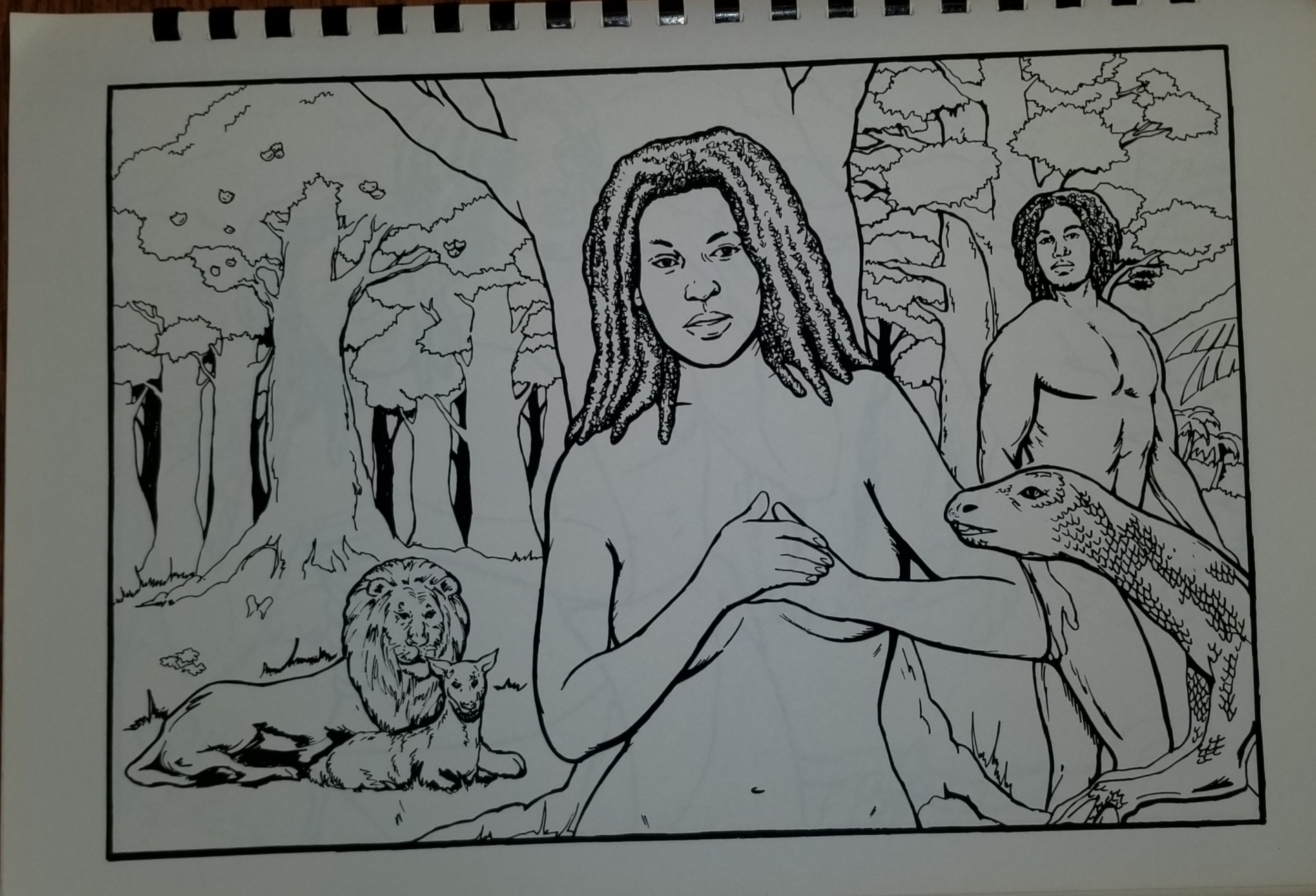
Sermon March 1, 2020
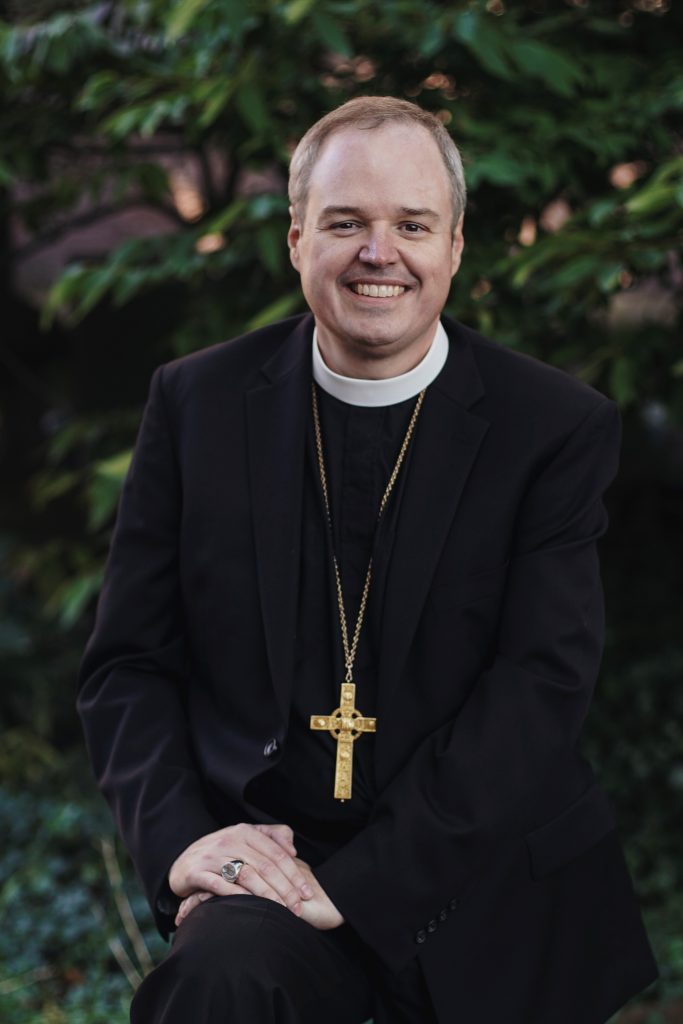
The Rev. Rebecca S. Myers,
The Church of the Nativity and St. Stephen’s
First Sunday in Lent, Year A
http://lectionarypage.net/YearA_RCL/Lent/ALent1_RCL.html
But the serpent said to the woman, ‘You will not die; for God knows that when you eat of it your eyes will be opened, and you will be like God, knowing good and evil.’ Genesis 3:4-5
Please be seated
What tempts you? This week our readings are all about temptations. We hear the familiar story of Adam and Eve being tempted in the garden. We hear of the devil tempting Jesus in the wilderness. Paul, in his letter to the Romans, explains how we all have the sin of Adam and how Jesus Christ came to save us.
You see, the sin of Adam and Eve, I believe, as well as what the devil was trying to tempt Jesus with, was the sin of thinking we are God.
Oh, we scoff at the notion, don’t we? We know we are not that powerful, right? And yet…and yet, is this sin of wanting to be God really all that far from us? Don’t we really want to fully run our own lives? Isn’t individualism rampant in our world today – where I really don’t need to think about you?
As I read these lessons and thought about this, I was led to the writings of Alcoholics Anonymous, especially what is known as the Third Step: Made a decision to turn our will and our lives over to the care of God as we understood Him.
The AA Big Book, as it’s known, was written in 1939. A companion book, The Twelve Steps and Twelve Traditions was written in 1952. While some of the language feels dated, maybe like our Bible does sometimes, the ideas behind it say so much about how we live our lives.
For a person who is an alcoholic or addict, the desire to be God creates tremendous harm, not only to them, but also to those around them. “Self Will Run Riot,” they say. That thinking that we can be God. That total rejection and even derision that we need to depend upon anything but our “unaided self will,” on ourselves alone. We hate dependence, don’t we? Just like the 2-year olds who want to do it all by themselves, even when it’s really not possible. We’re stubborn, aren’t we?
Or maybe it’s fear of what could happen or what our lives mean if we lose what we think is our independence.
I like the example used in the Twelve Steps and Twelve Traditions. Think about it. When you go into a room, especially at night, you flip a switch and a light comes on. How our lives are changed because of electricity! Probably very few of us truly understand how electricity works – how it is generated, gets to our homes and to that light switch and the light. Yet, we totally trust that when we flip that switch, the light will come on. We’re sorely disappointed when the electricity goes out for any period of time, aren’t we? We are dependent upon electricity, however it works. And that dependence upon electricity, gives us great freedom, right? Think about all of the things we do because we have electricity and how we’d do them without electricity.
In other words, depending upon electricity, without really knowing how it works, gives us freedom and makes us more independent!
The Twelve Steps and Twelve Traditions explains it like this on page 36: “The more we become willing to depend upon a Higher Power, the more independent we actually are. Therefore dependence, as A. A. practices it, is really a means of gaining true independence of spirit.”
Yes, there is dysfunctional dependence. We do need to work towards wholeness of self. The problem is thinking we can do everything on our own and all alone. The problem is when we think we are God!
What we need to do is make our will conform with God’s Will. Listen to the words from AA (p. 40):
Our whole trouble had been the misuse of willpower. We had tried to bombard our problems with it instead of attempting to bring it into agreement with God’s intention for us.
The serpent’s words, You will be like God, ring in our ears. They are hard to let go of. They blind us to the reality of our lives. We are not God. We cannot do everything by our unaided self will. We must be realistic about who we are and what we can and cannot do. This is so hard throughout our whole lives, because it’s not like everything stays the same. We grow and change. Things happen to us and life shifts. We hate it, at least most of us do, I think. Self will run riot.
So what’s the answer to the temptation of “you will be like God?” It’s found in our beautiful Lord’s Prayer – thy will be done. Thy will, God, not my will. May we so align ourselves with God’s will and defeat temptation.
Amen
Twelve Steps and Twelve Traditions of Alcoholics Anonymous https://www.aa.org/assets/en_US/en_step3.pdf