


 Loading...
Sermon December 24, 2021
The Rev. Rebecca S. Myers, MSW
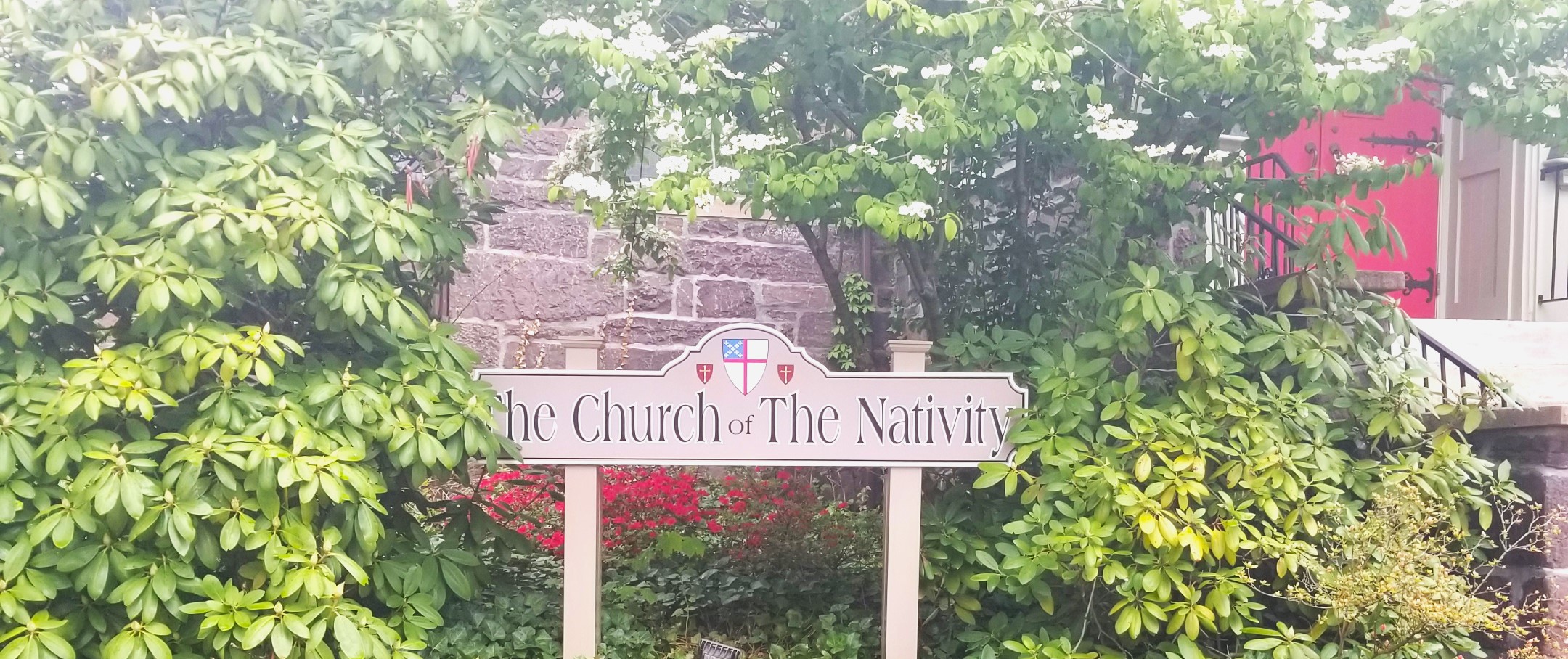
The Church of the Nativity and St. Stephen’s
Christmas Year C
http://lectionarypage.net/YearABC_RCL/Christmas/ChrsDay1_RCL.html
Video: https://youtu.be/cw_yUz0iaqM
He it is who gave himself for us that he might redeem us from all iniquity and purify for himself a people of his own who are zealous for good deeds. Titus 2:14
Please be seated
For some reason these past weeks, I have been reading a lot about loneliness and the necessity of social connection. Most of us, I think, have a picture in our heads, or maybe even a movie running, that says that this time of year is a time of gathering with family and friends. That this time of year is a time of joyous reunions.
Hopefully for many of us, this is true and there have always been people for whom this time of year is the loneliest time of all. Sometimes it is because a loved one has died. Sometimes it is because of a break in a friendship or family relationship. And now we can add that this ongoing pandemic has changed our holiday traditions and family and friend gatherings are not happening or happening in different ways. All of this can contribute to our feeling lonely or disconnected from others.
It is also true that we can be around many people and still feel lonely and disconnected.
As I’ve mentioned before, there is an epidemic of loneliness. In 2019, three in five Americans reported feeling lonely and about 25% of those 65 and older are considered socially isolated. This epidemic of loneliness is deadly. In a meta-analysis of research on loneliness published in 2010, researchers found that while your odds of dying early are increased by 20 percent due to obesity, your odds of dying early increase by 45 percent from loneliness! (Atlas, p. 180)
A recent article in the business section of The New York Times highlighted the efforts of the city of Frome (FROOM) in England. They are seen as a model for addressing the loneliness epidemic. They have people hired, as well as over 1,000 volunteers in a City of 30,000 to go throughout the community and help people get connected to various activities that lessen loneliness. Some help people connect digitally. Some direct people to a variety of community activities and groups that those who are lonely may not know about. A paid worker and a volunteer are at a community bench outside each week to talk to those who may be lonely and looking for help.
The results are considered a medical miracle according to a retired doctor, Julian Abel. Between 2013 and 2017, emergency hospital admissions in Frome fell by 14 percent, while they rose by 29 percent in a county with similar demographics.
An article this week in the Well section of the Times highlighted the fact that volunteering greatly decreases loneliness. Research has shown that volunteering helps you cope with your own life; you have less stress when navigating a difficult time in your own life. You are more physically and mentally active. Volunteers report having improved lives.
In Brene’ Brown’s new book, I mentioned recently, she quotes Dr. John Cacioppo, who founded the field of social neuroscience. Dr. Cacioppo says,
“To grow into an adulthood for a social species, including humans, is not to become autonomous and solitary, it’s to become the one on whom others can depend. Whether we know it or not, our brain and biology have been shaped to favor this outcome.” (Atlas, p. 177)
Loneliness is a deadly disease and the cure is social connection, especially doing something for someone else.
Isn’t it amazing that something written 2,000 years ago about the ministry of Jesus Christ and what it means, understood this? Now, given at the time, it was probably much harder to live totally isolated. I imagine there was more of a need to be connected to community for survival. And certainly in the early years, the followers of Jesus Christ needed to connect with each other as they faced persecutions and even death for their beliefs.
Yet, the writer of Titus proclaims that Jesus Christ came to earth and gave himself for us so we could live better lives; so that we could be better people…people on whom others can depend…people who are zealous for good deeds.
The writer understood that Jesus’ ministry and teachings were all about caring for each other…about being the people on whom others can depend.
That’s why we gather here tonight and every Sunday. We depend upon the fact that a community will gather each week. We connect with each other. We pray for each other. We pray for others, for our community, for the world.
Together we are zealous for good deeds. Some we do as a parish, like the Join Hands projects, Giving to Others, Caring for Nativity’s Neighbors, food bank donations, and the activities at the Commons and Gardens, to name a few. Some good deeds we do personally, undergirded by our faith and growing out of our regular connection with each other. We as a community strengthen each other to good deeds in our personal lives. We as a community are people on whom others can depend.
Tonight we delight in the beauty and joy of the birth of a little baby, who was born into meager circumstances; who was God come down to earth. We rejoice, because we know how much he brought to this world and brought to us. We rejoice because in his birth, our community was birthed and has been together for over 146 years, 132 right in this very place. A community of people redeemed for all iniquity and purified as God’s people who are zealous for good deeds.
Amen
Atlas of the Heart https://brenebrown.com/book/atlas-of-the-heart/
An English City’s Fight Against Loneliness https://nyti.ms/3pjllax
How Volunteering Can Help Ease Loneliness https://nyti.ms/3EnzFmK